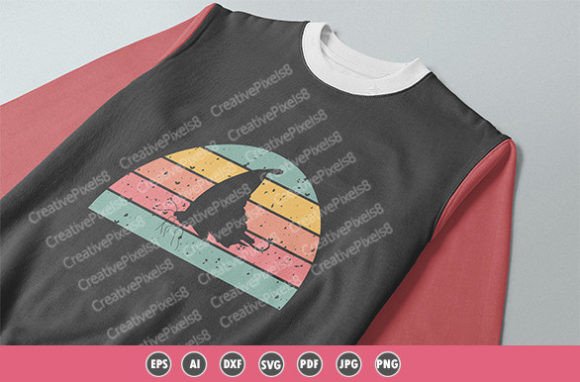
Anti Valentines Sublimation Design -6 Review
As a designer who spends more time looking at stitch density charts than social media feeds, I approach every new digital asset with a mix of curiosity and skepticism. The market is flooded with generic clip art, so finding a design that actually translates well from screen to fabric is rare. Recently, I pulled Anti Valentines Sublimation Design -6 into my workflow to see if it holds up under the scrutiny of real-world embroidery production. This isn’t just about whether it looks cool on a monitor; it’s about how it behaves when pushed through an embroidery machine, stitched onto various textiles, and eventually worn or gifted by a customer.
First Impressions and Visual Personality
The moment I opened the file package, which includes versatile formats like SVG, EPS, PDF, PNG, and DXF, I could tell this was built for flexibility. The title suggests a rebellious take on romance, and visually, it delivers. It avoids the cliché heart shapes and overly sentimental scripts that saturate the February market. Instead, it offers a sharp, graphic edge that feels modern and slightly edgy. For designers targeting a younger demographic or those tired of traditional Valentine’s aesthetics, this machine embroidery design provides a refreshing alternative.
The layout is clean, with distinct negative space that invites creative interpretation. Whether you are planning a tote bag design for a craft fair or a subtle accent on a sweatshirt embroidery project, the visual weight of the artwork strikes a balance between statement piece and wearable accessory. It doesn’t scream for attention; it whispers with attitude. This subtlety is crucial for high-end handmade product lines where brand consistency matters.
Real-World Application: From Screen to Stitch
I decided to test Anti Valentines Sublimation Design -6 in a few different scenarios to understand its true potential. My primary focus was on creating a boutique collection for small business owners who need reliable assets for their Etsy listings. Here is how the design performed across different mediums.
Apparel and Soft Goods
When applied to a heavyweight cotton canvas tote bag, the design popped beautifully. The bold lines held their structure without requiring excessive backing, which often leads to stiffness—a common complaint among customers buying custom apparel. However, when I moved to a finer jersey knit for a baby onesie, I had to be careful. The stitch density needs to be adjusted slightly for stretchy fabrics to prevent puckering. If you are targeting the baby embroidery niche, ensure your digitizer reduces the tension or uses a lighter stabilizer to keep the fabric soft and comfortable against sensitive skin.
For sweatshirt embroidery, particularly on fleece or heavy cotton blends, this design shines. The contrast between the thread and the textured fabric enhances the graphic nature of the artwork. It works exceptionally well as a chest logo or a centered back print for a cohesive look. Customers appreciate designs that don’t feel like they are falling apart after a single wash, and the structural integrity of this file supports that durability.
Accessories and Home Decor
I also experimented with using this as an embroidered patch to attach to denim jackets or backpacks. The clean edges make it ideal for applique techniques, though standard satin stitch borders work perfectly fine too. For home decor, placing this on a kitchen towel or a pillow cover adds a touch of humor and personality to a functional item. It transforms a simple tea towel into a conversation starter, increasing the perceived value of the finished product.
Technical Considerations and Potential Pitfalls
No design is flawless, and transparency is key for any professional review. While Anti Valentines Sublimation Design -6 is robust, there are specific situations where caution is required.
- Small Hoop Sizes: If you attempt to stitch this in a very small hoop (under 4x4 inches), some of the finer details may become muddy. The eye can struggle to distinguish tight curves at micro-scales. Stick to mid-range hoop sizes for optimal clarity.
- Textured Fabrics: On heavily textured materials like bouclé wool or rough burlap, the definition of the design will soften. While this can add a rustic charm, it may not suit clients looking for crisp, precise lines. Test on scrap fabric first to manage expectations.
- Dense Stitch Areas: If your digitizing software converts the graphic elements into fill stitches without proper underlay, the fabric might pucker. Always inspect the stitch path before running a full production batch. Using a cutaway stabilizer is non-negotiable for maintaining shape over time.
- Dark Fabrics: On dark backgrounds, you will need to use a substantial amount of white or light-colored thread for coverage, or opt for a tear-away stabilizer that leaves no residue. Ensure your thread colors provide enough contrast to maintain legibility.
Strategic Value for Sellers and Creators
For Etsy sellers and craft business owners, the versatility of this file is its strongest selling point. Because it comes in multiple formats, including digital embroidery file types like DXF and SVG, you can offer it as a printable mockup or a ready-to-stitch file. This dual utility allows you to target two different audiences: those who want to DIY and those who want a professionally made item.
The "Anti-Valentine" theme taps into a growing market segment that values inclusivity and humor over traditional romance. It appeals to friends, siblings, and anyone celebrating self-love. By offering this design, you position your shop as current and culturally aware. When customers see a personalized gift that feels unique and thoughtfully designed, their trust in your brand increases. They are less likely to view your items as mass-produced commodities and more likely to see them as curated design assets worth the premium price.
Practical Designer Notes Before You Start
Before committing to a large production run, follow these steps to ensure success:
- Test on Scrap Fabric: Always run a sample on the exact fabric type you plan to sell. This reveals issues with thread tension, stabilizer choice, and color contrast early.
- Check Stitch Density: Review the digitization for dense areas. If the design looks crowded, consider simplifying the interior details or adjusting the spacing.
- Verify Licensing: Confirm the terms of use. Ensure you have the right to sell finished goods made from this design, especially if you are operating a commercial enterprise.
- Mockup in Black and White: View the design in grayscale to check for balance. Sometimes colors hide compositional flaws that become obvious in monochrome.
- Inspect Small Details: Zoom in on corners and thin lines. Ensure they are clean and won’t break during the stitching process.
In conclusion, Anti Valentines Sublimation Design -6 is a strong addition to any designer’s library. It bridges the gap between trendy graphic art and practical embroidery application. With careful attention to fabric selection and stabilization, it can elevate your small shop product line and resonate with buyers looking for something beyond the ordinary. It is a smart, stylish choice for creators who want to deliver quality and personality in every stitch.