Don t Get Your Tinsel in a Tangle Christ
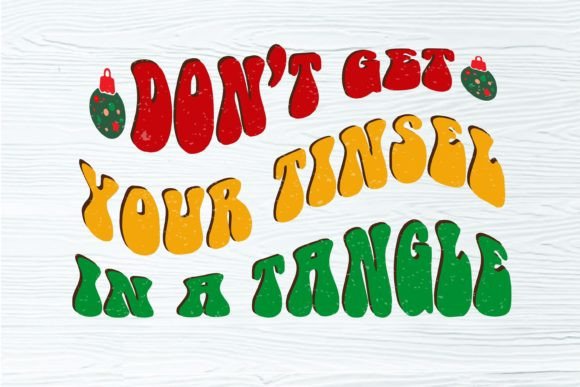
When I first opened the package for Don t Get Your Tinsel in a Tangle Christ, I didn't just see a festive graphic; I saw a potential bestseller for my holiday collection. As someone who has spent years turning digital files into tangible, stitched masterpieces, I know that the difference between a good design and a great one often comes down to how it translates from screen to fabric. This piece isn't just another generic Christmas image; it carries a specific mood—one of chaotic holiday joy mixed with a touch of retro charm. The title alone suggests a narrative that resonates with anyone who has ever tried to hang lights or wrap gifts during the busy season.
The immediate visual appeal of this design lies in its personality. It feels approachable and slightly humorous, which is exactly what modern buyers look for when they want something unique rather than mass-produced. In my experience working with small business owners and Etsy sellers, products that tell a story or evoke an emotion tend to sell better than those that are purely decorative. This design promises to be a conversation starter on a tote bag, a cozy sweatshirt, or even a personalized baby gift. However, before I committed to stitching it up, I had to run through the practical checklist that every serious embroiderer uses.
From Digital File to Finished Product
The product description highlights that this comes as a comprehensive zip file containing PNG, JPG, EPS, and SVG formats at 300 dpi. For a designer planning to use this in a commercial embroidery project, having these varied formats is crucial. The high-resolution PNG with a transparent background is perfect for creating printable mockups to showcase the final product on your shop listings. Meanwhile, the vector files like EPS and SVG allow for easy resizing without losing quality, which is essential if you plan to scale the design for different items, from a tiny cap patch to a large apron.
However, there is a critical distinction to make here. While the source files are excellent for sublimation and printing, using them for machine embroidery requires careful preparation. If you are planning to stitch this design directly, you must ensure the vector data converts cleanly into stitch commands. I recommend testing the conversion process on a scrap piece of fabric first. You need to verify that the curves remain smooth and that the text remains legible after digitizing. A design that looks crisp on a monitor can sometimes become muddy if the stitch density is too high or if the thread colors clash with the fabric texture.
Real-World Application Scenarios
I recently considered using Don t Get Your Tinsel in a Tangle Christ for a custom order involving embroidered patches for a local craft fair. The retro vibe of the design fits perfectly with the handmade aesthetic that is currently popular among boutique shoppers. Imagine a customer buying a leather keychain or a denim tote bag featuring this motif; it adds a layer of authenticity and humor that elevates the perceived value of the item. It transforms a simple accessory into a statement piece.
Beyond accessories, this design has immense potential for apparel. Picture a heavy cotton sweatshirt in a deep navy or forest green, with the design stitched in bright, contrasting threads. The contrast would pop beautifully, making the message clear and readable. Similarly, for baby clothes, a softer palette applied to this design could create a sweet, nostalgic nursery decor item. The flexibility of the design allows it to adapt to various themes, whether you are focusing on holiday gifts, wedding favors, or general seasonal merchandise.
For digital product sellers, this asset offers versatility. You can create a series of downloadable templates where customers can add their own names to the design, enhancing the personalization aspect. This level of customization is often what drives sales in the handmade market. Buyers appreciate knowing that their gift is tailored specifically to them, and a design with strong typography invites that kind of interaction.
Where to Exercise Caution
Despite its strengths, there are specific scenarios where Don t Get Your Tinsel in a Tangle Christ might require extra attention. Small hoop sizes present a challenge for any design with intricate details or dense lettering. If you attempt to stitch this on a very small surface area, such as a child's hat or a narrow wristband, you risk losing the clarity of the text. The curves might tighten too much, causing the threads to bunch up or the letters to merge into an indistinct blob.
Fabric choice is equally important. Stretchy fabrics like jersey knits can distort the design if not stabilized correctly. Without a proper stabilizer, the tension of the stitches might pull the fabric, warping the shape of the text and ruining the intended retro look. Additionally, dark fabrics require a higher thread count or a specific underlay strategy to ensure the colors stand out. If the design relies on thin lines or delicate accents, these might get lost against a dark background unless you use a lighter thread color or add a backing layer.
Curved surfaces, such as caps, also demand precision. Embroidering a flat design onto a curved brim can lead to uneven stitching if the machine doesn't compensate for the curvature. It is vital to test the design on a sample of the actual garment before running a full production batch. This step saves time and prevents costly mistakes, ensuring that every finished product meets your professional standards.
Design Judgment and Professional Tips
To truly maximize the potential of this design, I suggest reviewing the stitch density and thread colors carefully. High stitch density can make the fabric stiff, which might be undesirable for soft garments like baby onesies. Conversely, low density might leave gaps in the fill areas, reducing the durability of the embroidery. Always check the design in black and white mockups to ensure the contrast holds up regardless of the color scheme you choose.
Licensing is another non-negotiable aspect for commercial designers. Before selling finished items featuring Don t Get Your Tinsel in a Tangle Christ, confirm the terms of use included with the download. Some licenses allow for single-item sales, while others may require a commercial license for unlimited production. Understanding these rules protects your business and ensures you are operating ethically within the creative community.
In conclusion, this design brings a fresh perspective to the crowded holiday market. Its blend of humor, retro style, and clear messaging makes it a valuable asset for embroidery projects ranging from personal gifts to boutique collections. By paying attention to fabric selection, stabilization, and licensing, you can transform this digital file into a stunning finished product that delights customers and builds trust in your brand. Whether you are an experienced embroiderer or a new crafter looking to expand your offerings, this design provides a solid foundation for creativity and success.