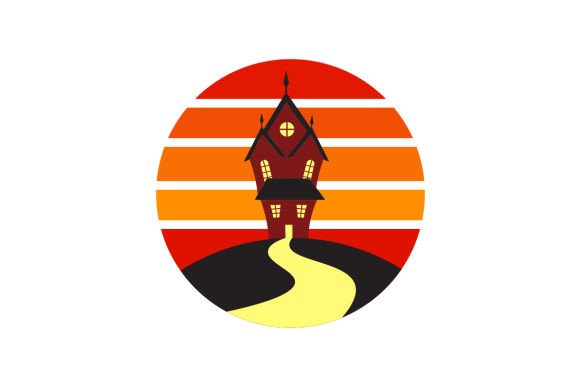
Halloween Haunted House on a Retro Background
When I first opened the file for Halloween Haunted House on a Retro Background, I didn't just see a spooky image; I saw a specific kind of nostalgia that has been missing from modern embroidery shops. As someone who spends hours testing designs before they ever hit a customer's fabric, my initial reaction was one of cautious optimism. The concept is simple: a classic haunted structure set against a vintage-style backdrop. But in the world of machine embroidery, concepts are easy and execution is everything. Does it hold up when stitched? Is it too busy for a small hoop? Can it stand alone as a boutique product?
The First Stitch Impression
The visual personality of Halloween Haunted House on a Retro Background leans heavily into mid-century Americana vibes mixed with seasonal spookiness. It avoids the chaotic, neon-heavy aesthetic that often overwhelms embroidered pieces. Instead, it offers a grounded, storybook feel. For an embroidery designer, this is crucial because it suggests versatility. A design that feels like a poster rather than a cluttered mess translates much better to thread. The retro background provides a soft canvas that allows the haunted house itself to pop without needing excessive fill stitches or dense satin work that could distort the fabric.
I immediately imagined this design not as a mass-produced item, but as a centerpiece for a curated collection. The mood is playful yet atmospheric, making it perfect for projects that need to bridge the gap between cute and creepy. It doesn't scream "horror movie"; it whispers "autumn evening." This subtle distinction is what separates a generic craft supply from a professional-grade asset for your handmade business.
Real-World Application: The Custom Tote Bag Scenario
To truly understand the potential of Halloween Haunted House on a Retro Background, let's look at a practical scenario. Imagine you are preparing inventory for an upcoming craft fair or launching a limited edition run on Etsy. You decide to create a custom embroidered tote bag for parents looking for a unique Halloween gift. You select a sturdy canvas tote and begin the process.
This design shines here because the layout likely accommodates the natural curve of a tote bag without losing its structural integrity. The retro background acts as a frame, keeping the focus on the haunted house silhouette. When customers pick up a bag featuring this motif, they aren't just buying a container; they are buying a piece of decor that fits their home aesthetic. It elevates the perceived value of the finished product. Unlike a simple outline of a pumpkin, this design tells a story, which encourages higher engagement and sales conversion.
Similarly, consider a sweatshirt project. The same design placed on the chest of a heather gray hoodie creates a sophisticated streetwear vibe. It moves away from the typical "trick-or-treat" cliché and lands firmly in the realm of fashion-forward holiday wear. For a small shop owner, this means you can charge a premium price point because the design feels intentional and well-curated rather than like a clip-art download.
Navigating Technical Challenges
However, no design is without its pitfalls. When evaluating Halloween Haunted House on a Retro Background for real production, there are specific areas where caution is required. If you plan to use this on a cap or a curved surface, you must carefully assess the stitch density. Curved surfaces demand less aggressive filling to prevent puckering, so if the original file has heavy fill stitches in the roof shingles or window panes, you might need to adjust the digitization or reduce the scale slightly.
Textured fabrics present another hurdle. While a smooth cotton twill will render the details beautifully, a thick fleece or a rough burlap might obscure the finer lines of the retro background. In such cases, the design might lose its crispness, turning into a muddy blob of color. I always advise testing on scrap fabric first to ensure the thread colors provide enough contrast against the material texture. If the background is too light and the house is dark, you are fine. But if both elements rely on similar tonal values, the design will struggle to read clearly after stitching.
Furthermore, be mindful of small details. If the design includes tiny lettering or intricate lace-like patterns in the windows, these can get lost in the stitching process, especially on smaller items like baby clothes or apron pockets. For these applications, it is safer to stick to larger formats or verify that the stitch count supports fine detail resolution. Always check the recommended hoop size before committing to a final run; a design that requires a 4x4 hoop won't fit neatly on a standard baseball cap front panel without cropping essential elements.
Impact on Brand and Customer Trust
In the competitive landscape of digital products and handmade goods, the quality of your embroidery file directly impacts your brand reputation. Using a design like Halloween Haunted House on a Retro Background signals to your audience that you care about aesthetics and craftsmanship. A clean, well-executed stitch job builds trust. Customers are more likely to return to a shop where the embroidery looks professional, even if the garment itself is basic.
For commercial embroidery projects, this design offers strong recognition potential. The retro theme is timeless, meaning your products won't look dated next year. This longevity is vital for designers creating seasonal collections that need to remain relevant. Whether you are selling a finished pillow cover or a digital mockup for a client to visualize, the design assets should convey a sense of reliability. A sloppy digitization job can ruin the illusion of quality, whereas a precise file ensures the finished product matches the preview.
Essential Designer Notes for Success
Before you start stitching, there are several technical steps every serious crafter must take. First, review the stitch density. High-density areas can cause the fabric to pucker, ruining the drape of the item. If you are working with stretchy fabric, ensure you are using the proper stabilizer to maintain tension during the run. A tear-away or cut-away stabilizer choice depends entirely on the fabric weight and the design's complexity.
Thread color selection is equally critical. Test your chosen thread palette against the design in black and white mockups. Sometimes a vibrant red thread looks great on screen but gets lost against a dark background once stitched. Ensure there is sufficient contrast to make the haunted house stand out. Also, confirm whether the design works for both personal and commercial projects by checking the licensing terms provided with the download. Many sellers overlook this, leading to legal issues down the line.
Finally, inspect the small details closely. Zoom in on the corners and edges of the haunted house. Are there any loose ends or jagged lines that could snag? A professional finish requires attention to these micro-details. By taking the time to test the design on scrap fabric, checking thread contrasts, and verifying the hoop size, you ensure that Halloween Haunted House on a Retro Background delivers the high-quality results your customers expect. This level of diligence transforms a simple digital file into a valuable component of a successful craft business.