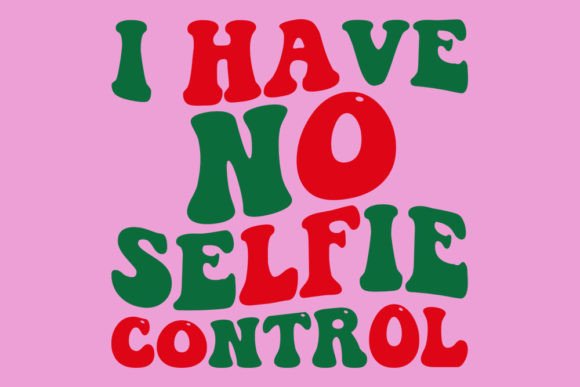
I Have No Selfie Control Embroidery Review
As a designer who spends half my life staring at stitch charts and the other half troubleshooting tension issues on vintage machines, I approach every new design file with a healthy dose of skepticism. The market is flooded with clip art that looks fine on a screen but falls apart under the needle. That is why when I pulled up I Have No Selfie Control, labeled as a Retro Christmas Design, I didn’t just look at the preview image. I looked for structural integrity, thematic cohesion, and commercial viability. This isn’t just another holiday graphic; it is a specific mood piece that demands to be stitched.
The First Impression: Retro Meets Modern Humor
The title alone sets a tone. It bridges the gap between nostalgic holiday aesthetics and contemporary social media culture. In my experience, designs that rely solely on traditional motifs—like snowflakes or reindeer—can feel dated quickly. Conversely, purely modern memes often lack timeless appeal. I Have No Selfie Control sits in that sweet spot. The "Retro Christmas" tag suggests a color palette and typography style that feels warm, slightly grainy, and inviting, while the phrase itself speaks directly to the current behavior of gift-givers and recipients alike.
Visually, this design works because it balances text and imagery. For an embroidery project to succeed, the lettering must be legible even after stitching, and any graphical elements must have enough negative space to prevent thread tangling. From what I can see in the provided files (EPS, SVG, PNG, DXF), the layout appears robust. It does not look like a fragile line drawing that will break during hooping. Instead, it feels substantial, like a badge or a patch waiting to happen.
Real-World Application: Where Does This Belong?
Let’s talk about real use cases. I recently helped a client prepare a batch of custom holiday gifts for their extended family, and I immediately visualized I Have No Selfie Control on several items. Here is how I think through the application process for different products.
Custom Apparel and Sweatshirts
This is perhaps the most obvious choice. A crewneck sweatshirt in a deep forest green or cream white would provide excellent contrast for a retro-themed design. When designing for custom apparel, you have to consider the drape of the fabric. If the design includes dense fill stitches, it can stiffen the material too much. However, if this design utilizes a mix of satin stitches for outlines and lighter fill areas, it will lay flat and comfortable against the skin. It fits perfectly into the category of sweatshirt embroidery that people actually want to wear—not just hang in a closet.
Tote Bags and Market Accessories
For the Etsy seller or craft fair vendor, a canvas tote bag is a high-margin item. Placing I Have No Selfie Control on the front pocket of a sturdy canvas tote creates an instant conversation starter. It aligns with the trend of functional humor in accessories. The key here is placement. Centered chest height on a tote bag ensures the message is readable without being distorted by the bag’s structure. It transforms a simple utility item into a handmade product with personality.
Baby Items and Nursery Decor
There is a growing market for humorous baby gifts. While the phrase might seem cheeky for a newborn, it resonates deeply with millennial and Gen Z parents who appreciate self-deprecating humor. Imagine this embroidered on a burp cloth, a muslin swaddle, or a onesie. The "Retro Christmas" aspect softens the blow of the modern slang, making it feel more like a playful family tradition than a joke. As a baby embroidery piece, it serves as a memorable keepsake that acknowledges the chaos of the holidays.
Technical Considerations for the Embroidery Designer
Before you load this file into your machine, there are practical steps you must take. Even the best graphic fails if the digitization is ignored. Since the package includes vector files like EPS and SVG, you may need to trace or convert these depending on your software, but the presence of DXF files suggests some preparatory work has been done. Still, verification is non-negotiable.
- Stitch Density Check: Look closely at the curves in the lettering. Are they too tight? If the stitch density is too high on thin fabrics like t-shirt jersey, you risk puckering. Test on scrap fabric first to ensure the backing stabilizer matches the fabric weight.
- Thread Color Contrast: The retro theme likely calls for muted tones—mustard yellows, dusty reds, or olive greens. Ensure your thread selection matches the intended aesthetic. High-contrast neon threads might clash with the vintage vibe. Use proper thread colors that complement the retro christmas design mood.
- Hoop Size Verification: Confirm the hoop size required for the final output. If you are planning to embroider on small items like caps or embroidered patches, ensure the design scales down cleanly without losing detail in the corners.
- Fabric Texture Compatibility: Avoid placing this on highly textured fabrics like bouclé or thick wool unless you are using a heavy-duty stabilizer. The design relies on clean lines to read effectively. Smooth cotton blends or canvas are ideal candidates.
Commercial Viability and Brand Consistency
For those selling finished goods, I Have No Selfie Control offers strong engagement potential. It is relatable. Customers buy things that make them smile or nod in agreement. This design taps into the universal experience of holiday photo overload. It adds value to a small shop product because it feels curated and thoughtful rather than generic.
When creating printable mockups for your online store, showcase the design in context. Show it on a mug, a hat, and a shirt. Visualizing the finished product helps buyers imagine it in their own homes. This design works well for holiday gifts, wedding gifts for quirky couples, or as part of a themed collection for a boutique brand. It maintains brand consistency if your shop focuses on fun, festive, and slightly irreverent holiday themes.
Final Verdict
I Have No Selfie Control is more than just a novelty phrase; it is a versatile machine embroidery design that respects both the medium and the audience. It avoids the pitfalls of overly complex details that frustrate both the machine and the maker. By testing it thoroughly, choosing the right stabilizer, and pairing it with appropriate fabrics, you can turn this digital asset into a tangible, profitable, and delightful physical item.
Whether you are a seasoned pro looking to expand your holiday catalog or a hobbyist wanting to make a unique gift for friends, this design delivers on its promise. It is catchy, visually sound, and ready for the hoop. Just remember to check the licensing terms before you start mass-producing for commercial embroidery projects. But for personal use, small batches, and creative exploration, it is a standout addition to your library of design assets.