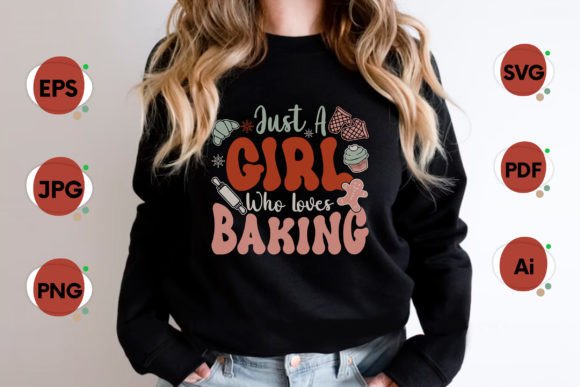
Just a Girl Who Loves Baking T-shirt: A Designer's Review
When I first opened the files for Just a Girl Who Loves Baking T-shirt, my immediate reaction was one of recognition. It isn't just another generic graphic; it carries a specific, warm energy that speaks directly to the craft community. As someone who spends hours digitizing and stitching designs on everything from baby onesies to boutique aprons, I look for more than just a pretty image. I need to know how this design will behave under the needle, how it will hold up after washing, and whether it will resonate with the customer holding the finished product.
The concept behind Just a Girl Who Loves Baking T-shirt is simple yet effective. The retro aesthetic combined with kitchen themes creates an inviting mood that feels perfect for holiday gifts or personal branding for home bakers. However, moving from a digital preview to a physical stitched piece requires careful consideration. Let's walk through exactly how this design performs in real-world scenarios.
First Impressions and Design Personality
The visual personality of this design is nostalgic and approachable. The layout suggests a balance between typography and decorative elements, which is crucial for embroidery where space can be limited. When you look at the T-Shirt Designs category, many options feel cluttered or too dense. This design, however, seems to have breathing room. That is a good sign for stitch clarity.
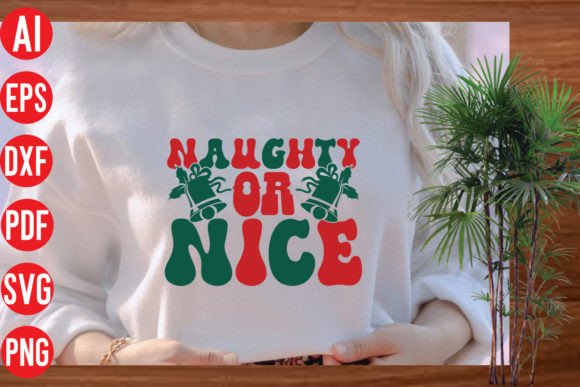
The theme of "Baking" and "Christmas" offers a versatile window of opportunity. It fits naturally into winter collections but also stands strong as a year-round statement for baker enthusiasts. The retro style implies a softer, perhaps slightly distressed look if rendered correctly, which adds character to the final piece. It doesn't scream "corporate logo"; instead, it whispers "handmade with love," which is often what drives sales in the handmade market.
Real-World Application: From Digital File to Finished Product
Imagine you are preparing a custom order for a local bakery owner who wants to gift her staff matching sweatshirt embroidery. You pull up the file for Just a Girl Who Loves Baking T-shirt. The first thing you consider is the placement. On a heavy cotton fleece sweatshirt, this design would likely sit beautifully over the heart area, creating a cozy, personalized touch. The contrast between the thread colors and the dark fabric of the garment would make the text pop without looking harsh.
But let's take it further. What if you want to use this for a set of kitchen towels for a wedding gift? The design's layout needs to translate well onto a narrower canvas. If the original file includes a PNG transparent version, you have the flexibility to adjust the scale before converting it to your machine format. For a tea towel, the text might need to be slightly larger to ensure readability, as small details can get lost in the weave of linen or cotton blends. The "Retro" aspect of the design works exceptionally well here, adding a vintage charm that complements the texture of the fabric.
I also envision this design on a tote bag design for a craft fair booth. An Etsy seller could use this to brand their tote bags, offering them as merchandise alongside their baked goods. The durability of the stitches is key here. Since tote bags undergo frequent handling and washing, the density of the fill stitches must be sufficient to prevent the fabric from puckering while remaining flexible enough not to crack when the bag is folded.
Navigating Potential Pitfalls
While the design has great potential, there are specific areas where caution is required. If you plan to place this on a cap or a curved surface like a baseball hat, you need to evaluate the curvature of the text. Embroidery machines struggle with extreme curves, and fine lines can break or merge. If the design contains tiny lettering or intricate corners, testing on scrap fabric is non-negotiable.
Another critical factor is the fabric texture. Thin fabrics or highly stretchy materials, such as certain athletic wear or silk blends, can cause distortion. Without proper stabilizer, the tension of the satin stitch used for outlines or text could pull the fabric out of shape, ruining the professional look of the custom apparel. For these materials, a cut-away stabilizer is often necessary to maintain integrity.
Dense stitch areas are also worth noting. If the design relies heavily on fill stitches to create shading or solid blocks of color, it might become stiff. For a baby item, such as a blanket or a soft cap, stiffness can be uncomfortable. In these cases, ensuring the stitch density is optimized for the specific thread type is vital. If the design is too dense, it may require a lighter thread weight or a reduction in stitch count to keep the fabric pliable.
Visual Appeal and Brand Consistency
In the world of commercial embroidery, consistency is king. Using a cohesive design language across your products builds trust. Just a Girl Who Loves Baking T-shirt fits well into a broader collection of kitchen-themed assets. Whether you are creating a pillow cover for a nursery or a branded embroidered patch for a uniform, the retro vibe remains consistent.
This design enhances the perceived value of the finished product. A customer buying a personalized gift expects quality. When they see clean lines, no skipped stitches, and a design that aligns perfectly with the product's purpose, their satisfaction increases. Conversely, a poorly executed design can lead to returns and negative reviews. The visual clarity of this design, provided it is digitized correctly, supports a premium presentation.
Practical Notes for the Embroidery Designer
Before you commit this design to your production line, follow these essential steps to ensure success:
- Test on Scrap Fabric: Always run a test stitch on the same material you intend to use for the final project. This reveals issues with tension, puckering, or thread breaks immediately.
- Check Thread Color Contrast: Ensure the chosen thread colors provide enough contrast against the background fabric. A dark design on a black shirt may disappear, while a light design on white might lack definition.
- Review Stitch Density: High-density designs can be heavy and rigid. Adjust the settings if the fabric is delicate or if the end product needs to remain soft.
- Confirm Hoop Size: Verify that the design dimensions fit within your available hoop sizes. If the design is large, you may need to split it or use a larger frame.
- Inspect Small Details: Zoom in on the digital preview. Are there any tiny elements that might get lost or cause threading issues? Simplify if necessary.
- Test in Black and White: Convert the design to grayscale to check the balance of dark and light areas. This helps visualize the final stitch coverage.
- Use Proper Stabilizer: Match your stabilizer to the fabric weight. Heavy-duty projects need heavy-duty support.
- Verify Licensing: Before selling finished items or using this as a design asset for a commercial shop, double-check the license terms included with the file.
By taking these precautions, you transform a simple digital file into a high-quality finished product that customers will cherish. Just a Girl Who Loves Baking T-shirt is more than just a graphic; it is a tool for creativity. With the right execution, it can elevate your craft business, making your Etsy listings stand out and your small shop products feel uniquely special.
Ultimately, the success of this embroidery project lies in the hands of the designer. The design provides the foundation, but your expertise in machine embroidery design brings it to life. Whether you are creating a holiday embroidery gift or a staple item for your apparel decorator service, this design offers a charming and reliable option for your repertoire.