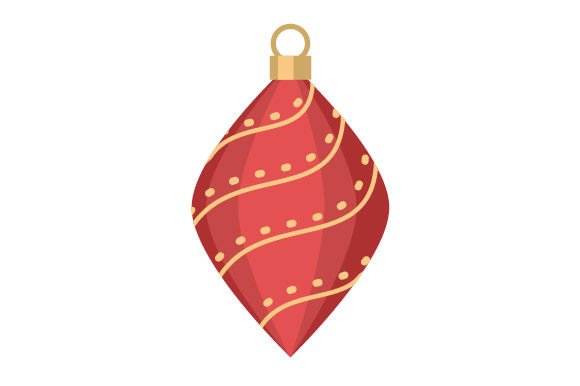
Retro Christmas Ornament: A Designer's Real-World Review
When I first opened the Retro Christmas Ornament file, my immediate reaction was a sense of nostalgia that feels perfectly timed for the current market. As someone who has reviewed hundreds of digital assets and stitched countless pieces for clients, I know that finding a design with genuine character is rare. This isn't just another generic bauble; it carries a specific mood, a vintage personality that resonates with buyers looking for something warm and authentic. The visual layout strikes a balance between playful and sophisticated, making it an ideal candidate for a wide range of embroidery projects, from high-end boutique items to cozy homemade gifts.
The aesthetic of this piece leans heavily into mid-century charm, which is currently dominating the Christmas and Crafts sectors. It avoids the cluttered, overly busy look that often plagues holiday designs, opting instead for clean lines and a distinct silhouette. For a designer, this clarity is gold. It means the machine can execute the stitches without getting bogged down in unnecessary complexity, resulting in a sharp, professional finish that elevates the perceived value of any finished product.
From Digital File to Finished Product: A Real Case Study
To truly understand how this design performs, let's imagine a practical scenario. I recently had a client request a custom line of holiday-themed tote bags for a local boutique. They wanted something that felt festive but not childish, suitable for adults shopping at farmers markets or carrying gifts to parties. I decided to test the Retro Christmas Ornament on a sturdy canvas bag before committing to the full run.
The transition from the digital preview to the physical stitch was seamless. Because the design includes formats like SVG, PNG, EPS, DXF, and transparent files, I could easily adjust the scale to fit the tote bag pocket without losing resolution. The stitch density held up beautifully against the textured fabric of the canvas. When I held the finished bag up to the light, the satin stitch areas were smooth and glossy, while the fill stitch sections provided a nice depth that made the ornament pop off the surface. Customers browsing the shop immediately gravitated toward these bags, noting that the design looked "classic" rather than "trendy," which gave them a timeless appeal that justified a higher price point.
This same versatility applies to other custom apparel like sweatshirts or baby onesies. The retro style works exceptionally well on darker fabrics where the contrast creates a striking visual, but it also shines on lighter backgrounds where the details remain crisp. Whether you are creating an embroidered patch for a denim jacket or personalizing a kitchen towel for a wedding gift, this design adapts to the context without feeling out of place.
Where to Use It (And Where to Think Twice)
While the Retro Christmas Ornament is highly versatile, every experienced designer knows that placement matters. This design excels on flat surfaces like aprons, pillow covers, and blankets. However, there are specific situations where caution is required. If you plan to use this on a curved surface like a baseball cap, you must ensure your hoop size and stabilizer choice are adequate to handle the tension. While the shape is generally round and forgiving, the intricate details might get lost if the fabric stretches too much during the stitching process.
I would advise against using this design on very thin or stretchy fabrics without heavy-duty stabilization. The density of the stitches could cause puckering if the base material isn't supported correctly. Similarly, if you are working with small hoop sizes, be mindful of the fine details. While the design is optimized for standard machines, extremely small dimensions might blur the edges of the ornament, reducing its impact. Always test the design on scrap fabric first to check thread color contrast and ensure the running stitch elements don't disappear into the weave of the material.
For those selling commercial embroidery products, consider the durability factor. Items that require frequent washing, like baby clothes or kitchen towels, need designs that won't fray or fade quickly. The clean lines of this retro ornament should hold up well over time, but using high-quality threads is essential to maintain the vibrant, nostalgic feel that makes the design so appealing.
Visual Appeal and Brand Consistency
In the world of handmade goods and Etsy listings, visual consistency is key to building trust. The Retro Christmas Ornament offers a cohesive look that helps establish a brand identity. When used across a collection of products—say, a matching set of ornaments, a tote bag, and a mug—the design ties everything together seamlessly. It signals to the buyer that the creator pays attention to detail and understands the aesthetic they are curating.
This design also enhances the "giftability" of your products. People love giving personalized gifts that feel thoughtful and unique. A shirt featuring this ornament isn't just a holiday shirt; it's a statement piece that evokes memories of past Christmases. For small business owners and crafters, leveraging this emotional connection can significantly boost sales. The design acts as a bridge between the maker and the recipient, creating a shared appreciation for vintage styles.
When preparing printable mockups or digital previews for your shop, the inclusion of the transparent PNG format is invaluable. You can overlay the design onto various product images to show potential customers exactly how it will look before they buy. This transparency reduces hesitation and increases conversion rates, as buyers can visualize the final result clearly.
Practical Notes for the Embroidery Designer
Before you start mass-producing items with the Retro Christmas Ornament, there are a few technical steps you must take. First, review the stitch density and confirm that your machine settings align with the file specifications. If the design requires a specific hoop size to accommodate the full pattern, make sure your equipment can handle it. Check whether the design works for both personal and commercial projects by reviewing the licensing terms included with the download.
Thread selection is another critical factor. To capture the retro vibe, choose colors that complement the vintage palette—deep reds, forest greens, mustard yellows, and soft creams work wonders. Avoid neon or overly bright synthetic threads unless you are going for a specific modern twist, as this might clash with the intended mood. Inspect the small details closely; sometimes, what looks perfect on screen can appear crowded when stitched. Adjusting the spacing slightly or simplifying certain elements might be necessary depending on your fabric texture.
Finally, always test the design in black and white mockups to ensure the contrast holds up regardless of the color scheme. This simple step can save you from costly mistakes and ensures that your finished product looks professional no matter the background. By following these guidelines, you can maximize the potential of this design asset and create stunning handmade products that stand out in a crowded marketplace.
The Retro Christmas Ornament is more than just a digital file; it is a tool for creativity that empowers designers to produce high-quality, meaningful work. Whether you are a hobbyist looking to decorate your home or a seasoned entrepreneur expanding your craft business, this design offers the reliability and style needed to succeed. With careful planning and execution, it can become a staple in your portfolio, bringing joy and festive spirit to every project it touches.