Retro Mom Retro Kid - 1950s, Comic Style
As someone who has spent years reviewing embroidery files for both personal crafting and commercial boutique lines, I approach every new download with a mix of excitement and skepticism. You never know if a design will translate beautifully from a digital screen to a stitched masterpiece until you see it under the needle. Recently, I took Retro Mom Retro Kid - 1950s, Comic Style out for a test drive to see if it holds up in a real-world scenario. This design promises a nostalgic vibe with a playful comic book aesthetic, but does it deliver on quality and versatility? After running through my usual evaluation process, here is what I found.
The First Impression: A Burst of Mid-Century Charm
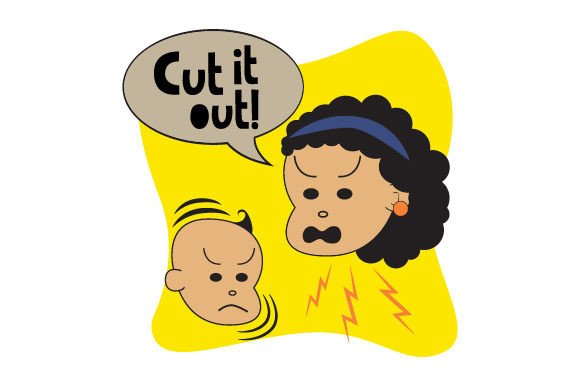
When I first opened the file set, the immediate mood was distinctively warm and inviting. The Retro Mom Retro Kid - 1950s, Comic Style design captures that specific era of pop art where bold lines met cheerful typography. It feels less like a generic clipart image and more like a genuine piece of vintage merchandise brought to life. The layout suggests a strong narrative connection between generations, making it perfect for family-oriented themes without feeling overly sentimental or cliché.
The visual personality is robust. Unlike many designs that rely on delicate, wispy lines which often get lost in stitching, this one leans into the comic style with confident strokes. It screams "handmade" rather than "factory-made," which is exactly what today's consumers are craving when they visit Etsy or local craft fairs. Whether you are designing a tote bag or a nursery wall hanging, this design brings an instant sense of character and storytelling to the finished product.
Real-World Application: From Sketch to Stitch
To truly judge the utility of this design, I imagined placing it on various products within the Crafts category, specifically focusing on family apparel and home decor. Let's say I am preparing a custom embroidered sweatshirt for a mother-daughter duo. The bold, comic-style outlines of Retro Mom Retro Kid - 1950s, Comic Style would stand out beautifully against a heather gray or pastel pink fabric. The contrast between the thick lines and the fill areas creates a dynamic look that catches the eye immediately.
I also considered its potential for smaller items like baby onesies or bibs. The theme is naturally suited for personalized gifts, and the retro aesthetic adds a touch of whimsy that parents love. However, I had to be mindful of the placement. On a small hoop size, the details might need to be scaled down slightly to ensure the text remains legible and the comic elements don't merge together. If used on a tote bag design, the design could serve as a central focal point, perhaps paired with a solid background color to let the artwork breathe.
For those selling handmade products, this design offers high value. A customer buying a pillow cover or a kitchen towel featuring Retro Mom Retro Kid - 1950s, Comic Style isn't just buying a decoration; they are buying a piece of nostalgia. The design's ability to evoke a specific time period makes it highly marketable for holiday gifts, wedding presents, or boutique branding. It fits seamlessly into a collection of vintage-inspired goods, helping sellers maintain brand consistency while offering unique, engaging visuals.
Performance on Different Fabrics and Surfaces
The success of any machine embroidery design depends heavily on the substrate. For Retro Mom Retro Kid - 1950s, Comic Style, I recommend testing on stable, medium-weight fabrics first. Cotton blends, denim, and canvas work exceptionally well because they provide enough structure to hold the satin stitch and fill stitch without distorting the shape. The comic style relies on clean edges, so a fabric with too much texture, like a heavy bouclé or a loose weave, might obscure the finer details of the illustration.
If you plan to use this on stretchy fabrics like jersey t-shirts or caps, you must be extra cautious. Curved surfaces like hats can distort the proportions of the design if not hooped correctly. While the design is versatile, it is not ideal for very thin materials that might pucker easily. In these cases, using a proper stabilizer is non-negotiable. A cut-away stabilizer would likely be the best choice to support the density of the stitches and prevent the fabric from pulling over time.
Navigating Potential Pitfalls
No design is without its challenges, and knowing where to tread carefully is part of being a professional designer. One area to watch with Retro Mom Retro Kid - 1950s, Comic Style is the density of the stitches. If the fill areas are too dense, the embroidery might become stiff and difficult to handle, especially on garments that need to drape softly. Always check the stitch density before committing to a full production run.
Another consideration is the thread colors. The comic style often benefits from high-contrast palettes, such as primary colors against white or black backgrounds. If you choose thread colors that are too similar to the fabric, the design may lose its impact. Conversely, on dark fabrics, you will need to ensure there is adequate underlay to prevent the fabric from showing through the stitches. I also advise checking the small details, particularly around any lettering or tiny decorative accents, to ensure they do not disappear during the stitching process.
Practical Designer Notes for Success
Before you start stitching your next project, here are some essential steps to ensure your Retro Mom Retro Kid - 1950s, Comic Style project turns out perfectly:
- Test First: Always stitch the design on a scrap of the same fabric you intend to use. This helps you gauge tension, thread coverage, and overall stability.
- Check Contrast: Review the design in black and white mockups to see how the shapes read without color. This ensures the composition works regardless of your thread choices.
- Hoop Size Matters: Confirm that your hoop size accommodates the entire design without cutting off edges. If the design is large, you may need to split it or adjust the scaling.
- Licensing: If you are planning to sell finished items or digital products, verify the licensing terms associated with the file formats provided (SVG, PNG, EPS, DXF). Commercial rights vary by creator.
- Stabilizer Selection: Match your stabilizer to the fabric weight. A heavier design usually requires a heavier stabilizer to prevent puckering.
This design is available in multiple formats including SVG, Transparent PNG, EPS, and DXF, which gives you flexibility whether you are using it for machine embroidery, applique projects, or digital printables. The variety of formats allows you to adapt the design for different mediums, from a physical embroidered patch to a printable mockup for your online store.
Final Thoughts on Visual Appeal and Value
In the end, Retro Mom Retro Kid - 1950s, Comic Style is a strong contender for anyone looking to add a touch of retro flair to their embroidery projects. It strikes a balance between detailed artistry and practical stitching, making it suitable for both hobbyists and serious business owners. The design elevates the perceived value of the finished product, turning a simple tote bag or apron into a statement piece that customers will cherish.
Whether you are creating a personalized gift for a family member or stocking your shop with trendy boutique items, this design offers a reliable foundation for creativity. It respects the viewer's eye with clear lines and a cohesive theme, ensuring that the final result looks professional and polished. By following standard best practices regarding fabric selection and stabilization, you can confidently bring this mid-century inspired design to life. For those in the Family sector or those building a Crafts brand, this file is a valuable asset that combines nostalgia with modern execution.