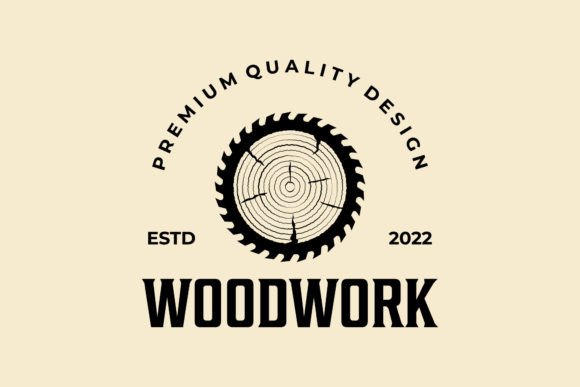
Vintage Woodworking Logo for Embroidery
As a designer who spends more time looking at stitch density and fabric grain than I do at the computer screen, I approach every new embroidery file with a healthy dose of skepticism. We have all been there: you download a trendy graphic thinking it will look sharp on a tote bag, only to find that the tiny details turn into a muddy blob after three passes of the machine. This is why I always test designs in real-world scenarios before recommending them for client work or commercial production.
I recently evaluated the Woodworking Wood Logo Design Template, a piece categorized under Logos and Graphics that promises a vintage, rustic aesthetic. My goal was to determine if this design holds up when translated from pixels to thread, specifically for use in handmade products, custom apparel, and small business merchandise. Below is my honest review based on practical application, visual impact, and production viability.
First Impressions: The Vintage Aesthetic
The immediate mood of the Woodworking Wood Logo Design Template is grounded and authentic. It draws heavily from classic iconography associated with carpentry, sawmills, and nature. The inclusion of elements like saws, trees, and forest motifs creates a strong visual narrative without feeling cluttered. For designers targeting audiences who appreciate craftsmanship—such as lumberjacks, woodworkers, or fans of cabin culture—this design hits the right emotional notes.
What stands out most is the isolated nature of the design. In embroidery, isolation is key. It means the design does not rely on complex background gradients or subtle shading that machines often struggle to replicate. Instead, it leans on bold shapes and clear silhouettes. This makes it an excellent candidate for various applications, from embroidered patches to sweatshirt embroidery. The vintage feel suggests a brand that values tradition and durability, qualities that resonate well with customers buying personalized gifts or boutique branding items.
Real-World Application: Where This Design Shines
When I imagine using the Woodworking Wood Logo Design Template, I picture specific projects where texture and theme align perfectly. Here are a few scenarios where this design would truly excel:
- Custom Apparel and Caps: Placing this logo on a heavy cotton cap or a flannel shirt reinforces the rugged, outdoor vibe. The vintage style pairs naturally with denim or canvas fabrics, creating a cohesive look that feels intentional rather than just branded.
- Kitchen and Home Decor: Tea towels, aprons, and kitchen towels are staples in the craft business. A woodworking logo adds a charming, rustic touch to a modern farmhouse kitchen. It works particularly well as a centered chest print on an apron or a corner accent on a tea towel.
- Tote Bags and Market Bags: For Etsy sellers and craft fair participants, tote bags are essential. This design translates beautifully onto canvas totes. The bold lines ensure visibility even from a distance, making it effective for mobile advertising or simply as a stylish accessory for shoppers.
- Personalized Gifts and Baby Items: While the theme is industrial, the clean lines make it suitable for nursery decor or baby blankets if paired with softer neutral colors. It offers a gender-neutral option for parents who love the outdoors or DIY culture.
- Commercial Embroidery Projects: For small shop owners selling woodwork tools or supplies, this design serves as a professional brand asset. It looks established and trustworthy, which helps build customer confidence in the finished product.
Technical Considerations and Stitching Challenges
No design is perfect, and understanding the limitations is crucial for a successful embroidery project. When evaluating the Woodworking Wood Logo Design Template, several technical factors come into play regarding stitch density, hoop size, and fabric choice.
Small Details and Clarity: If the design includes fine text or intricate saw teeth, these areas require careful attention. On textured fabrics or thin materials, small details can get lost or become distorted. I recommend testing the design in black and white mockups first to ensure that the contrast remains high enough for the eye to distinguish individual elements. If the design relies on tight satin stitch borders around complex shapes, ensure your machine can handle the tension without puckering the fabric.
Fabric Compatibility: This design performs best on stable, woven fabrics like cotton, linen, or canvas. Stretchy knits or highly textured wool blends may cause the fill stitch areas to shift or appear uneven. If you plan to use this on stretchy garments, a cut-away stabilizer is non-negotiable to maintain shape and alignment. Similarly, dark fabrics may require a higher thread count or specific thread colors to ensure the design pops against the background.
Hoop Size Constraints: Always check the recommended hoop size for the file. If the design is large, it may limit where it can be placed on certain garments, such as the sleeve of a child’s hoodie or the curved surface of a baseball cap. Curved surfaces present additional challenges; while the vintage style is forgiving, excessive stretching during hooping can distort the symmetry of the logo.
Practical Designer Notes for Production
To ensure the highest quality result when using this machine embroidery design, follow these practical steps:
- Test on Scrap Fabric: Never run a new design directly onto your final product. Use a scrap piece of the same fabric and stabilizer combination to check for tension issues, color clashes, and registration accuracy.
- Review Stitch Density: Look closely at the dense areas. If the stitch density is too high for the fabric weight, the material may pucker. Adjusting the underlay or reducing fill density (if possible in your editing software) can improve the finish.
- Check Licensing: Before selling finished items or digital products, confirm the licensing terms. Some graphics allow personal use only, while others permit commercial sales of embroidered goods. Ensuring you have the right rights protects your craft business from legal issues.
- Inspect Small Lettering: If the template includes text, verify that the font size is large enough to be legible after stitching. Tiny lettering often becomes unreadable, especially on curved surfaces like caps.
- Compare Backgrounds: Test the design on both light and dark backgrounds. Sometimes a color that looks vibrant on one shade of fabric appears dull on another. This step is vital for maintaining brand consistency across different product lines.
Final Verdict
The Woodworking Wood Logo Design Template is a versatile and visually appealing asset for any designer working in the rustic, vintage, or outdoor niche. Its strength lies in its clarity and thematic relevance, making it an ideal choice for handmade products, custom apparel, and embroidered patches. While it requires standard precautions regarding fabric stability and detail resolution, it offers a high return on investment for those looking to add a touch of artisanal charm to their offerings.
For Etsy sellers, small shop owners, and creative entrepreneurs, this design provides a solid foundation for building a cohesive brand identity. It feels professional, timeless, and ready for the market. By taking the time to test and refine the execution, you can transform this graphic into a standout feature on everything from tote bag designs to holiday embroidery gifts. Ultimately, it is a reliable tool in the arsenal of any serious embroiderer looking to create meaningful, well-crafted goods.