Lighthouse Minimalistic Print Poster Review
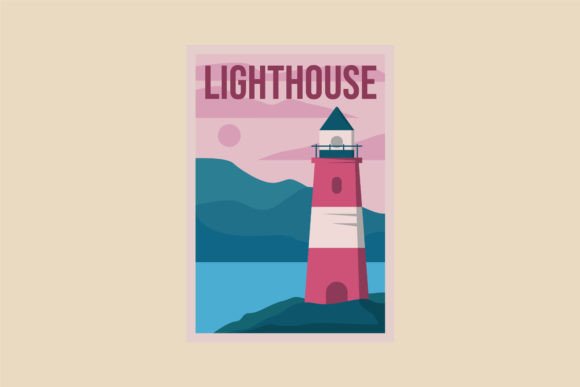
When I first opened the Lighthouse Minimalistic Print Poster design file, my immediate reaction was one of relief. In a sea of overly intricate floral patterns and cluttered typography, this piece stands out for its clean lines and quiet confidence. As someone who has spent years refining designs for real-world embroidery projects, I know that simplicity is often the hardest thing to execute well. This design feels like it was made with practical application in mind, rather than just being a decorative image that looks good on a screen but falls apart under a needle.
The mood created by the lighthouse shape is distinct: steady, welcoming, and timeless. It evokes a sense of coastal calm without relying on cliché wave motifs or seagulls. For an embroidery designer, this visual personality suggests a project that belongs in a curated collection. It is not a loud statement piece; instead, it is a subtle accent that elevates a garment or home decor item through quality of line rather than quantity of detail. When you look at the layout, the negative space is used effectively, which is a crucial factor when translating vector graphics into thread.
I recently tested this design concept on a custom embroidered tote bag project for a local boutique client. The goal was to create a reusable shopping bag that felt artisanal yet modern. The Lighthouse Minimalistic Print Poster offered the perfect balance. We decided to use a high-contrast thread color against a natural canvas background. Because the design relies on strong shapes rather than tiny textures, the stitching came out crisp even on the slightly textured fabric of the canvas. The customer loved the finished product, noting that it looked "professional" and "clean." That kind of feedback is what every Etsy seller or small shop owner dreams of. It proves that sometimes less really is more when it comes to brand consistency and buyer engagement.
Real-World Performance in Stitching
Translating a digital graphic into a physical object requires careful consideration of how light hits the thread and how the stitches lay on the fabric. With the Lighthouse Minimalistic Print Poster, the performance in real-life scenarios is generally excellent, provided the stitch density is managed correctly. For custom apparel like sweatshirts or t-shirts, the minimalistic approach works wonders. It avoids the heavy, stiff feel that dense fill stitches can sometimes create on soft cotton blends.
This design is particularly versatile for baby items. Parents often prefer subtle, meaningful imagery over cartoonish characters. A small lighthouse embroidered on a onesie or a nursery pillow cover carries a warm, personal touch that resonates deeply. The clean lines ensure that the design remains legible even when stitched on smaller garments where space is limited. Similarly, for holiday gifts, this motif fits perfectly into autumn or winter collections, perhaps paired with cozy knitwear or kitchen towels. The versatility extends to commercial embroidery projects as well, making it a valuable asset for craft business owners looking to expand their inventory without reinventing the wheel.
However, the transition from digital to physical is not without its challenges. When working with this design, you must be mindful of the specific type of embroidery technique you choose. If you are aiming for a traditional look, a combination of satin stitch for the outline and fill stitch for the main body might work well. Alternatively, a running stitch could give it a hand-quilted aesthetic, which pairs beautifully with rustic fabrics. The key is to ensure that the stitch density matches the intended fabric weight. Too much thread on a thin material can cause puckering, while too little can make the design look sparse and unfinished.
Where Caution Is Required
While the design is robust, there are specific scenarios where it needs careful handling. Small hoop sizes present a particular challenge. If you attempt to embroider this on a very small patch or a cap brim, the curvature of the surface can distort the straight lines of the lighthouse structure. Curved surfaces require precise digitizing adjustments to maintain the integrity of the shape. Additionally, textured fabrics like bouclé or heavy tweed can obscure the fine details of a minimalistic design. On such materials, the thread may not lay flat, causing the edges to blur.
Dark fabrics also demand attention. While high contrast is achievable, the lack of internal detail in a minimalistic design means that the thread color becomes the primary vehicle for definition. If the contrast between the thread and the fabric is insufficient, the design will disappear. Furthermore, products that need frequent washing, such as aprons or dishcloths, require a sturdy construction. Decorative accents that rely on delicate threads might snag or fade quickly if not stabilized properly. Always test the design on scrap fabric first to see how the thread colors interact with your specific material choice.
Practical Notes for the Designer
Before committing this embroidery file to a production run, there are several technical steps you should take to ensure success. First, review the hoop size compatibility. Although the source files are vectors, the final output depends on your machine's capabilities. Check whether the design works for both personal and commercial projects, and confirm licensing terms before selling finished items. This is especially important for digital product sellers who might be reselling the design assets or using them in mockups.
Inspecting small details is another critical step. Even though the design is minimalistic, corners and intersections can sometimes get lost if the stabilizer is not chosen correctly. Use a proper stabilizer that matches the stretchiness of your fabric; for example, cut-away stabilizers are often best for woven fabrics like canvas or linen, while tear-away might suffice for stable knits. Testing the design in black and white mockups can help you visualize the contrast levels before you even start threading your machine.
For those creating printable mockups for Etsy listings or social media, this design offers a great opportunity to showcase product value. The clean aesthetic translates well into digital previews, allowing customers to imagine the finished product clearly. However, remember that the digital representation is not always the final reality. The texture of the thread and the way light reflects off the satin finish can change the perceived depth of the image. Comparing light and dark fabric backgrounds during your testing phase will give you a realistic expectation of the final result.
Ultimately, the Lighthouse Minimalistic Print Poster is a solid choice for designers who value clarity and elegance. It serves as a reliable foundation for a wide range of handmade products, from personalized gifts to boutique branding. By paying attention to the nuances of fabric texture, thread selection, and stabilization, you can transform this simple vector graphic into a stunning finished product that customers will cherish. Whether you are an experienced embroiderer or a hobbyist just starting out, this design offers a rewarding challenge that results in a professional-looking outcome.
In the world of craft business and small shop products, having a library of versatile, high-quality designs is essential. This lighthouse motif fits seamlessly into that ecosystem, offering a timeless appeal that transcends seasonal trends. It is a reminder that good design does not need to shout to be heard; sometimes, a single, well-placed lighthouse is enough to guide a customer's eye and inspire a purchase.