Retro Embroidery Design Review
As a designer who spends half my day staring at stitch lines and the other half trying to explain to clients why their logo won’t fit on a baseball cap, I have developed a fairly cynical eye for new digital assets. We are constantly bombarded with "instant download" promises that often result in tangled needles or muddy thread work. That is why when I pulled up Retro, a design listed under Print Templates and Graphics, I didn’t just look at the preview image. I looked at the structure, the implied mood, and the potential for real-world application. This isn't just about having a pretty picture; it is about whether this embroidery file will hold up when it hits the hoop.
First Impressions: The Mood of Retro
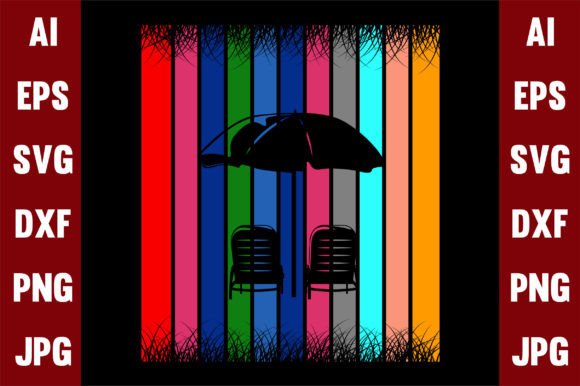
The moment you load Retro, there is a distinct visual personality. It doesn’t scream for attention with chaotic energy; instead, it offers a curated, nostalgic vibe. In the world of machine embroidery design, mood is everything because thread cannot replicate the subtle gradients of a photograph. You rely on shape, contrast, and texture to convey the theme. Retro leans into clean lines and recognizable forms, which is exactly what you want when translating a graphic into stitches. It feels like something that belongs in a mid-century modern living room or on a high-quality canvas tote, rather than a cheap promotional giveaway.
For designers, this clarity is a relief. When a design has too much intricate detail, the stitching process can become a battle against the fabric. Retro seems to understand the limitations of the medium. It suggests a style that relies on bold silhouettes and perhaps some clever use of negative space. This makes it an excellent candidate for custom apparel where the goal is a statement piece that reads clearly from a few feet away.
Real-World Application: From Screen to Stitch
Let’s talk about how this actually performs in a business context. Imagine you are an Etsy seller preparing inventory for the upcoming holiday season. You need products that feel personal but are easy to produce efficiently. Retro fits perfectly into several categories:
- Custom Apparel and Sweatshirt Embroidery: The design’s aesthetic works beautifully on heavyweight cotton blends. Whether it’s a crewneck sweatshirt or a structured hoodie, the retro vibe adds a layer of sophistication that appeals to young adults and millennials. It elevates a basic garment into a boutique product.
- Tote Bag Design: A tote bag design is a staple for craft fairs and small shops. Using Retro here allows for versatility. You can place it centrally for a bold look or off-center for a more casual, artistic feel. The clean lines ensure that even if the customer washes the bag frequently, the design remains crisp.
- Baby Embroidery and Nursery Decor: There is a surprising amount of softness in retro aesthetics when executed correctly. On baby clothes, onesies, or nursery pillow covers, Retro can serve as a charming focal point. It avoids the cliché of overly sweet pastels by offering a timeless graphic appeal that parents appreciate.
- Commercial Embroidery Projects: For branding, consistency is key. If you are creating merchandise for a local coffee shop or a creative agency, Retro provides a professional yet approachable look. It signals that the brand values design history and quality.
I also see potential in personalized gifts. Think about wedding favors, anniversary gifts, or corporate swag. The neutral yet stylish nature of Retro means it doesn’t clash with specific color palettes, making it a safe bet for bulk orders where customization might vary.
Where to Exercise Caution
No design is perfect for every surface, and a good reviewer must highlight the pitfalls. While Retro has strong structural integrity, there are scenarios where you need to be careful.
First, consider hoop size. If you attempt to scale this design down too small, you risk losing the visual impact. Tiny lettering or fine details can disappear into the weave of the fabric, resulting in a muddy finished product. Always check the minimum recommended dimensions before cutting your fabric.
Second, think about fabric texture. Embroidering on highly textured fabrics, like heavy waffle-knit towels or nubby bouclé, can distort the clean lines of Retro. The needle penetration becomes inconsistent, and the stabilizer may not hold the fabric flat enough. Similarly, stretchy fabrics require extra caution. Without proper hooping technique and a reliable stabilizer, the design can pucker or shift during the run.
Dark fabrics present another challenge. While dark threads can create a tonal look, they require high-quality thread and precise tension settings to avoid showing up as unintended highlights. If you are using Retro on black or navy garments, test your thread colors thoroughly to ensure the contrast pops without overwhelming the viewer.
Technical Considerations for the Designer
Before you hit the start button on your machine, there are practical steps every craft business owner should take. The fact that this comes as part of a package including various formats (like AI, DXF, SVG, PNG, EPS, and JPEG) is convenient for different workflows, but it doesn’t replace the need for testing.
- Test on Scrap Fabric: Never run a new design directly onto your final product. Use scraps of the exact same material to check for puckering, thread breakage, and alignment issues.
- Review Stitch Density: Look closely at the fill areas. Is the density appropriate for the fabric weight? Too dense, and the fabric becomes stiff; too sparse, and the backing shows through.
- Check Small Details: Zoom in on the vector files if available. Are there any tiny elements that might not stitch well? Sometimes, what looks good on screen needs to be simplified for embroidery.
- Mockup Testing: Create black and white mockups to judge contrast. This helps you visualize how the design will look regardless of color choices.
- Stabilizer Selection: Match your stabilizer to the project. A cut-away stabilizer is usually best for permanent items like caps and jackets, while tear-away might suffice for lightweight temporary applications.
Additionally, always confirm licensing terms. Even though you are purchasing a digital embroidery file or design assets, the rights to sell finished goods can vary. Ensure you have commercial usage rights if you plan to list these items on Etsy or in your physical shop.
Final Verdict
Retro is a solid addition to any designer’s library. It strikes a balance between aesthetic appeal and technical feasibility. It is versatile enough for holiday embroidery, professional enough for commercial embroidery, and simple enough for hobbyists to enjoy without frustration. It respects the medium of embroidery, acknowledging that less is often more when working with thread.
For those looking to expand their small shop product line with items that feel both trendy and timeless, Retro delivers. It enhances brand consistency and boosts buyer engagement by offering a visually pleasing, high-quality look. Just remember to respect the technical constraints of the machine and the fabric, and you will find that this design pays dividends in customer satisfaction and repeat business.