The Cars We Drive Say a Lot About Us
When I first opened the file for The Cars We Drive Say a Lot About Us, I didn't just see a graphic; I saw a conversation starter. As someone who has spent years stitching designs into everything from baby onesies to heavy-duty work aprons, my initial reaction is always about practicality. Does this design hold up under the needle? Will it look as good on a customer's chest as it does on a screen? This T-Shirt Designs category entry, specifically marketed as a retro and vintage vector, carries a distinct personality that feels perfect for anyone looking to add character to their handmade inventory.
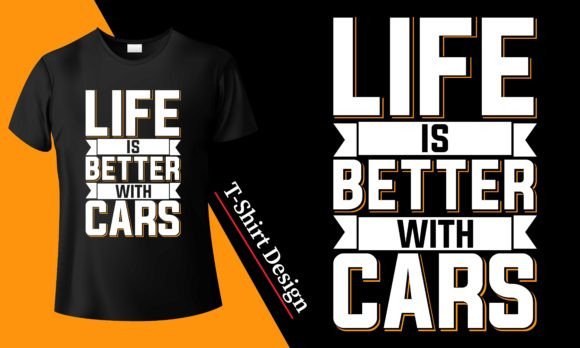
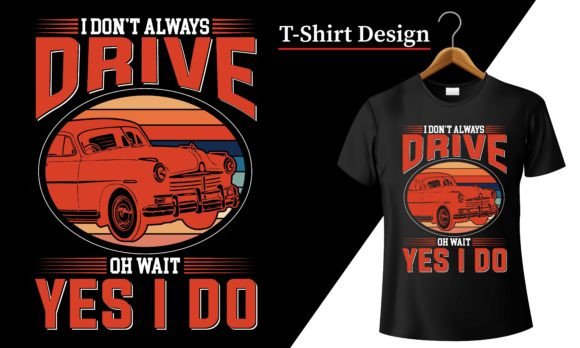
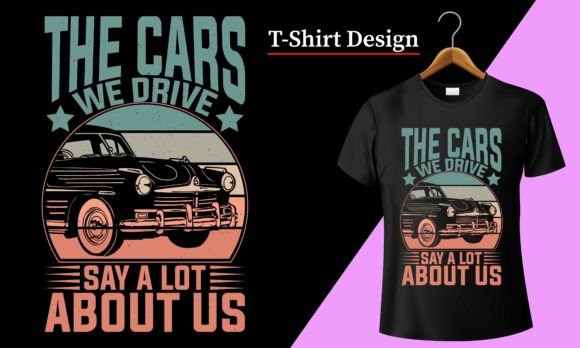
The visual mood of The Cars We Drive Say a Lot About Us is undeniably nostalgic. It taps into that classic Americana vibe where the vehicle you drive is an extension of your identity. The layout balances the typography with the graphical elements in a way that suggests a well-thought-out composition rather than a rushed assembly. For an embroidery designer, this balance is crucial. It means the design isn't just text floating on a void; it has a shape that can be manipulated by thread density and stitch direction.
Real-World Application: From Screen to Stitch
Let's talk about a specific scenario. Imagine you are prepping for a holiday craft fair or launching a new line on Etsy. You want to create a custom embroidered sweatshirt for a client who loves classic cars but wants something subtle yet expressive. You pull up The Cars We Drive Say a Lot About Us and imagine it stitched onto a heather grey pullover. The retro aesthetic fits perfectly here, evoking a sense of history and personal pride.
In this context, the design transforms from a simple image into a statement piece. When stitched, the phrase "The cars we drive say a lot about us" becomes more than just words; it becomes a badge of honor for the wearer. I have seen similar projects succeed when the font choice aligns with the subject matter, and this design seems to hit that sweet spot. It works beautifully for sweatshirt embroidery because the lettering likely has enough weight to stand out against the thicker fabric without looking flimsy.
However, versatility is key for any embroidery file seller. Beyond the sweatshirt, this design could easily translate to a canvas tote bag. A tote bag design featuring this quote appeals to car enthusiasts who want to carry their passion with them. The durability of the stitching would need to withstand the friction of daily use, which brings me to an important point about stitch density. If the fill stitches are too dense, the fabric might pucker, especially on a thin cotton tote. But if executed correctly, the texture adds a premium feel that elevates the perceived value of the product.
Where Caution is Required
Not every surface is created equal, and knowing where to apply The Cars We Drive Say a Lot About Us is just as important as knowing where not to. While it shines on structured garments, there are areas where a designer needs to exercise caution. For instance, attempting to stitch this on a small hoop size, such as those used for baby clothes or delicate caps, requires a careful review of the digitization.
If the design includes intricate details in the car graphics or tight kerning between letters, a small hoop might force the threads to crowd each other, resulting in a muddy appearance. Similarly, working with stretchy fabrics like jersey or lightweight knits demands a robust stabilizer strategy. Without proper support, the tension of the satin stitch could cause the garment to warp around the design area. I would advise testing this design on a scrap piece of the same fabric before committing to a final finished product.
Dark fabrics present another challenge. To ensure the retro colors pop, you might need a higher thread count or a specific underlay technique. If the background fabric is textured, such as a waffle-knit or a heavy fleece, the definition of the fine lines in the car graphic might get lost. In these cases, the design might perform better as an applique design, where a cut-out fabric layer provides a solid base for the stitching, ensuring clarity regardless of the underlying material.
Visual Appeal and Customer Trust
When you are selling custom apparel or personalized gifts, the quality of the embroidery speaks volumes about your brand. A clean, well-executed version of The Cars We Drive Say a Lot About Us signals professionalism. Customers can tell the difference between a machine that was rushed and one that was carefully calibrated. The visual appeal of the design directly impacts buyer engagement; a crisp, clear logo encourages trust and reduces the likelihood of returns due to dissatisfaction with the print quality.
The theme itself also contributes to the emotional connection. People buy products that resonate with their identity. By offering a design that celebrates the love of cars, you are tapping into a community of enthusiasts. Whether it is for a holiday gift for a father figure or a boutique branding item for a local garage, the design serves as a bridge between the maker and the user. It makes the product feel less like mass-produced merchandise and more like a curated, thoughtful creation.
Practical Notes for the Embroidery Designer
Before you start stitching up a batch of commercial embroidery items, there are several technical steps you must take. First and foremost, test the design on scrap fabric. This is non-negotiable. You need to verify how the stitch density interacts with your chosen material. Check the thread color contrast to ensure the text remains legible and the graphic retains its detail. A black car on a dark blue shirt might require a lighter outline or a different shade to maintain visibility.
Review the stitch types included in the file. Are there large areas of fill stitch that could benefit from a different angle to reduce shine? Is the satin stitch appropriate for the curves of the car, or will it break down at sharp corners? Confirming the hoop size required is essential for production planning. If the design is large, you may need to split it or use a larger frame, which affects your workflow.
Don't forget to inspect small details. Sometimes, what looks fine on a high-resolution monitor can disappear when stitched in thread form. Use black and white mockups to check the silhouette and balance of the design. Compare light and dark fabric backgrounds to ensure versatility. Always use the proper stabilizer for the specific fabric texture you are working with to prevent puckering and distortion.
Finally, confirm licensing terms. If you plan to sell finished items featuring The Cars We Drive Say a Lot About Us, you must ensure you have the commercial rights to do so. Check whether the digital embroidery file allows for resale of physical goods or if it is limited to personal use. Understanding these constraints protects your business and ensures ethical practices within the craft business community.
Ultimately, The Cars We Drive Say a Lot About Us offers a compelling option for designers looking to expand their catalog. With its strong thematic resonance and potential for various applications, it stands out as a versatile asset. However, success lies in the execution. By paying attention to the nuances of fabric, stabilization, and stitch quality, you can turn this digital asset into a tangible masterpiece that customers will cherish.