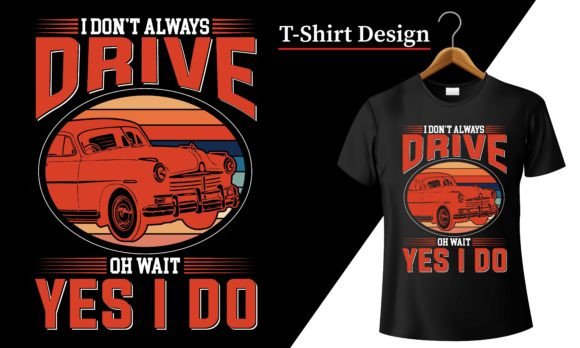
I Don't Always Drive Oh Wait Yes I Do
As a designer who has spent years turning digital files into tangible, stitched products, I approach every new asset with a mix of excitement and skepticism. You never know if a design will translate well from the screen to the hoop until you actually put it under the needle. Recently, I evaluated I Don't Always Drive Oh Wait Yes I Do, a retro and vintage graphic that promises to be a versatile addition to any embroidery library. My goal here is not just to describe what this design looks like, but to walk through how it performs in real-world scenarios for small business owners, Etsy sellers, and craft enthusiasts.
The First Impression: Mood and Visual Personality
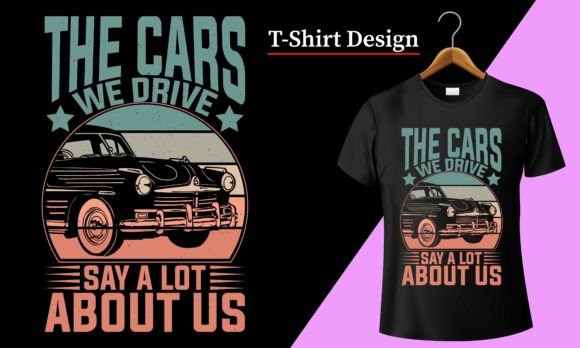
When you first open the file for I Don't Always Drive Oh Wait Yes I Do, the immediate feeling is one of playful nostalgia. The text layout captures that classic "Bear Grylls" meme style but gives it a distinct automotive twist. It feels right at home on a vintage car t-shirt design or a retro-styled poster, but its potential extends far beyond simple novelty prints. The visual personality is confident and slightly humorous, which makes it an excellent choice for personalized gifts or boutique branding where you want to inject some character without being overly aggressive.
The typography suggests a hand-drawn or distressed aesthetic common in vintage graphics. This is crucial for machine embroidery because clean, thin lines often get lost in satin stitch, whereas designs with a bit of weight and character hold up better. The phrase itself is long enough to make a statement but short enough to fit comfortably on standard garment placements like the left chest or center back. For a creative entrepreneur looking for design assets that scream "fun" but still look professional, this piece hits the mark immediately.
Real-World Application: From Screen to Stitch
Let's imagine a practical scenario. You are preparing a custom embroidered tote bag for a local craft fair, targeting car enthusiasts who love road trips. You decide to use I Don't Always Drive Oh Wait Yes I Do as the centerpiece. The design fits perfectly on a sturdy canvas tote, offering a conversation starter that is both relatable and witty. Unlike generic quotes, this specific phrasing creates an instant connection with drivers who identify with the sentiment.
Now, consider a different product: a sweatshirt embroidery project for a holiday gift. The retro vibe of the design pairs beautifully with heather gray or faded black fabric, evoking a sense of timeless cool. When stitched onto a heavy cotton blend, the design gains texture and depth that a printed graphic simply cannot achieve. Customers appreciate the tactile quality of a handmade product, and seeing a high-quality embroidery file like this elevates the perceived value of your finished product. It transforms a basic piece of apparel into a premium item that buyers are willing to pay more for.
This design also shines when applied to baby embroidery projects. A onesie featuring I Don't Always Drive Oh Wait Yes I Do (perhaps scaled down slightly) would be a hilarious gift for parents who commute daily. The humor translates well across age groups, making it a safe bet for commercial embroidery projects aimed at families. Whether you are creating patches for jackets or decorating aprons for a kitchen-themed shop, the versatility of this vector allows you to adapt the message to various surfaces, including cardboard, paper, and fabric.
Navigating Technical Challenges and Limitations
While the design has strong appeal, an experienced reviewer must always consider where it might struggle. One area to watch closely is the length of the text. On small hoop sizes, such as those used for hats or caps, fitting the entire phrase can be tricky. If the curve of the cap is too tight, the lettering may distort, ruining the intended retro look. In these cases, you might need to adjust the sizing significantly or choose a flatter surface like a pillow cover or tea towel where the design can lay flat.
Fabric texture plays a massive role in how I Don't Always Drive Oh Wait Yes I Do appears. On stretchy fabrics, like thin jersey tees, there is a risk of puckering if the stitch density is too high. Similarly, textured fabrics like fleece or thick towels can obscure fine details. If the design includes intricate decorative accents or tiny lettering within the graphics, these elements might disappear on coarse materials. It is essential to test the design on scrap fabric first to ensure the thread colors contrast properly against the background.
Dense stitch areas are another consideration. Retro fonts often rely on bold fills, which can lead to stiffness if not digitized correctly. If you are working with a digital embroidery file that hasn't been optimized, you might end up with a stiff patch that doesn't drape well on a garment. This is particularly important for items that require frequent washing, as heavy stitching can sometimes cause wear on the fabric over time. Always check the stitch density before committing to a full production run.
Practical Designer Notes for Success
To get the most out of this embroidery design, I recommend a few specific steps before you start stitching. First, inspect the small details. Ensure that the curves in the letters are smooth and that there are no jagged edges that could snag during the process. Second, review the stitch types. A combination of satin stitch for outlines and fill stitch for the body usually works best for this kind of graphic, but running stitch might be needed for finer textures depending on the source file.
Confirm your hoop size early in the process. If you plan to sell this as a handmade product on Etsy, consistency is key. Using the same placement and stabilizer method for every order ensures brand consistency and customer trust. Also, don't forget to test it in black and white mockups. Sometimes, color choices can hide structural issues in the design that become obvious once the threads are laid down. Compare light and dark fabric backgrounds to see how the thread colors pop; a design that looks great on white might get lost on navy blue unless you choose the right thread palette.
Finally, verify your licensing terms. While the product description mentions it is possible to print on various items, selling finished goods requires clear commercial rights. Make sure you have permission to use I Don't Always Drive Oh Wait Yes I Do for commercial embroidery projects. If you are unsure about the license, reach out to the creator or check the documentation provided with the download. Protecting your small shop product from legal issues is just as important as the quality of the stitching.
Final Thoughts on Value and Appeal
I Don't Always Drive Oh Wait Yes I Do is more than just a quote; it is a mood setter. It brings a sense of humor and personality to any embroidery project, whether it is a simple tote bag or a complex layered garment. For designers looking to expand their catalog with unique, engaging content, this design offers a solid foundation. It balances visual interest with technical feasibility, making it a valuable asset for anyone in the craft business.
By paying attention to fabric selection, hoop sizing, and stitch density, you can ensure that your finished product meets the high standards expected by today's discerning buyers. Whether you are creating a personalized gift for a friend or building a line of merchandise for your online store, this design has the potential to stand out. It proves that even a simple phrase, when executed with care and the right tools, can become a cherished part of someone's wardrobe or collection.