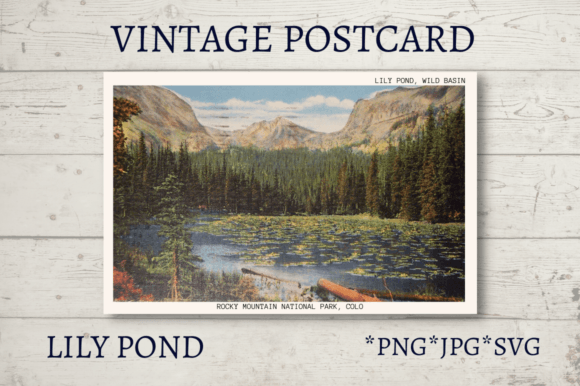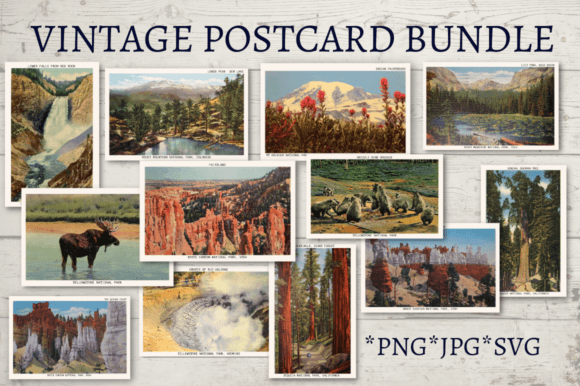
Vintage Postcard Bundle Review
As a designer who spends more time than I care to admit staring at stitch density charts and fabric swatches, I have learned that the difference between a "cute" digital file and a successful embroidered product lies in execution. We often fall in love with high-resolution graphics because they look stunning on a screen, only to find them unraveling—or worse, looking muddy—once the needle hits the thread. This is where practical judgment matters. Today, I am evaluating the Vintage Postcard Bundle, specifically the National Park Collection, to determine if it holds up under the pressure of real-world embroidery projects.
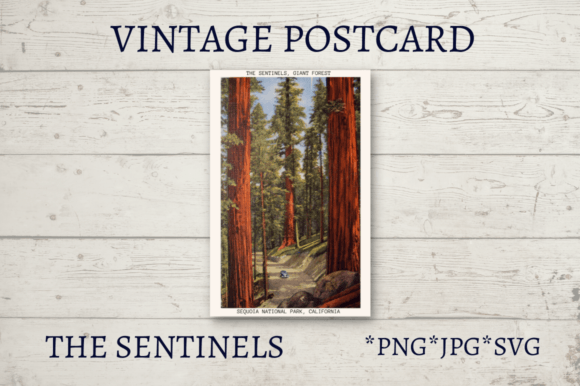
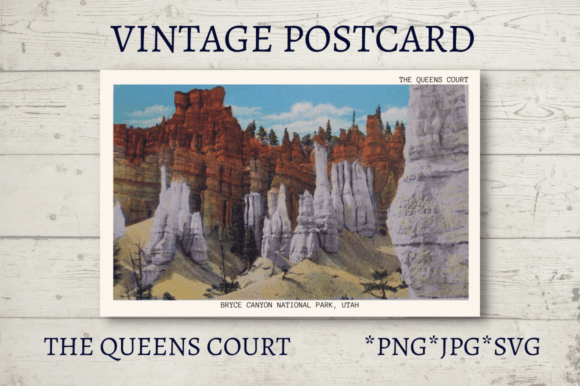
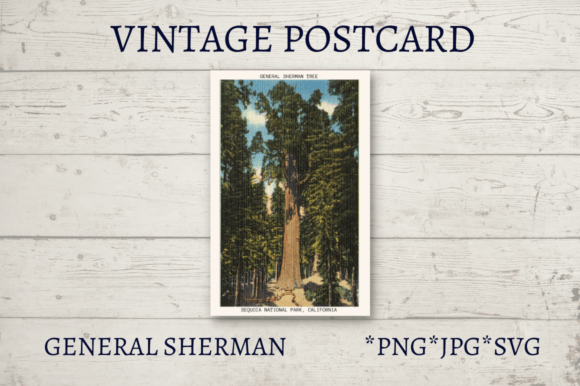
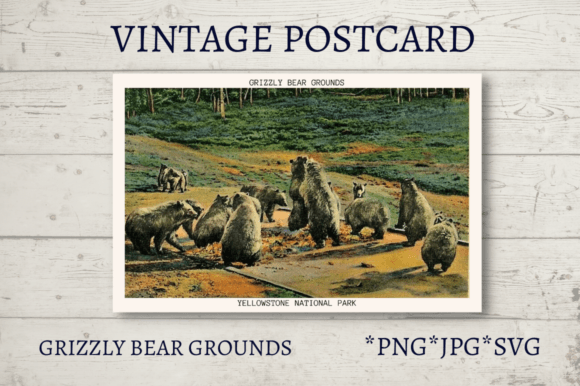
The premise is simple: twelve high-resolution images (approximately 3700 x 2400 px) capturing the retro charm of national park postcards. For an Etsy seller or small business owner, this sounds like a goldmine for seasonal content. But does it translate? Let’s dig into the design personality, the technical realities of stitching it out, and how it fits into your current workflow.
The Mood and Visual Personality
When you first open the folder containing these Illustrations, the immediate takeaway is nostalgia. The aesthetic leans heavily into mid-century graphic design—bold, simplified shapes and a color palette that suggests faded ink and aged paper. This is not just a collection of landscapes; it is a collection of *memories*. The visual personality is warm, inviting, and distinctly American. It evokes the feeling of a summer road trip, a cabin stay, or a quiet moment reading a postcard by the fireplace.
From a design perspective, this mood is incredibly versatile. It works seamlessly for custom apparel like sweatshirts and t-shirts, where customers are looking for comfort and style. It also translates beautifully to home decor items such as pillow covers and kitchen towels. The key here is that the design assets carry an inherent story. When a customer buys a tote bag featuring one of these designs, they aren’t just buying a bag; they are buying into the idea of adventure and heritage. That emotional connection is what drives sales in the craft business.
Real-World Application: The Tote Bag Scenario
Let’s imagine a specific use case. You are preparing inventory for the upcoming holiday season or a summer craft fair. You decide to create a line of canvas tote bag design options featuring the Yosemite or Yellowstone motifs from this bundle. Canvas is a forgiving fabric, but it has a distinct texture that can challenge fine details.
If you were to digitize this embroidery file directly from the PNG without adjustment, you might run into issues. The original graphics likely contain subtle gradients or thin lines that mimic printed ink. In machine embroidery, those thin lines become running stitch segments that can easily break or look sparse if the stitch density is too low. However, if you approach this as an applique design or simplify the vector paths to emphasize bold outlines and large fill areas, the result is striking. The contrast between the sturdy canvas and the smooth threads creates a tactile experience that customers love. The finished product feels substantial, professional, and worth the price point.
Technical Considerations for Embroidery Designers
Before you start uploading these files to your digitizing software, there are critical technical factors to consider. The resolution provided (3700 x 2400 px) is excellent for printing, but for embroidery, we need to think about scale and complexity.
- Hoop Size: These designs are best suited for medium to large hoops. Trying to fit a detailed national park scene into a tiny 4x4 hoop will result in lost detail. Ensure your hoop size selection matches the intended final product dimensions.
- Stitch Density: National park scenes often include trees, mountains, and water. If you rely solely on fill stitch for these elements, you risk creating a heavy, stiff patch. Use lighter densities for background elements and reserve denser stitches for focal points like logos or main landmarks.
- Thread Colors: The vintage aesthetic relies on muted tones. Standard bright polyester threads might clash with the retro vibe. You may need to mix colors or use specialty variegated threads to capture the depth of the original illustrations. Always check thread color contrast against your chosen fabric.
- Stabilizer Choice: For custom apparel like sweatshirts, a cut-away stabilizer is non-negotiable to prevent puckering over time. For temporary items like tea towels, a tear-away might suffice, but wash tests are essential.
Where to Exercise Caution
Not every surface is a good match for this level of detail. I would advise against using these designs on small hoop sizes where intricate details get lost. Similarly, textured fabrics like bouclé or heavy waffle knits can obscure the clean lines of the postcard art. Stretchy fabrics require careful hooping and potentially a different stabilizer strategy to maintain shape.
Another area to watch is dark fabric. The vintage postcards often feature light backgrounds or white space. Stitching this onto black denim or navy blue shirts requires a backing layer or careful underlay stitching to ensure the design pops. If you are selling commercial embroidery pieces, failing to account for this can lead to unhappy customers receiving products that look washed out or unclear.
Impact on Brand and Sales
Using the Vintage Postcard Bundle can significantly elevate your handmade product presentation. The cohesive theme allows you to create a unified brand identity across multiple SKUs. Imagine a matching set: a cap, a kitchen towel, and a pillow cover, all featuring different parks from the same collection. This consistency builds customer trust and makes your shop look more professional.
Furthermore, these designs are highly giftable. They fit perfectly into the holiday embroidery market, serving as perfect gifts for travelers, nature lovers, or retirees. The nostalgic appeal resonates with a wide demographic, increasing your potential buyer engagement. Whether you are listing on Etsy or running a boutique website, high-quality mockups featuring these designs will stand out in search results.
Final Designer Notes
Before committing to a production run, always test the design on scrap fabric first. Inspect small details closely—do the tree branches hold together? Does the text remain legible? It is also wise to convert your design to black and white in your software to check for contrast issues. Confirm whether your license allows for commercial embroidery use if you plan to sell the finished items. While the source files are graphics and illustrations, the end product is a tangible good, and clarity on rights protects your small shop product business.
In conclusion, the Vintage Postcard Bundle is a strong asset for any designer looking to tap into the nostalgia market. With careful attention to digitization, stitch density, and fabric choice, these designs can transform from simple digital images into cherished personalized gifts and profitable finished products. Just remember: the magic isn't just in the image, but in how well you stitch it.