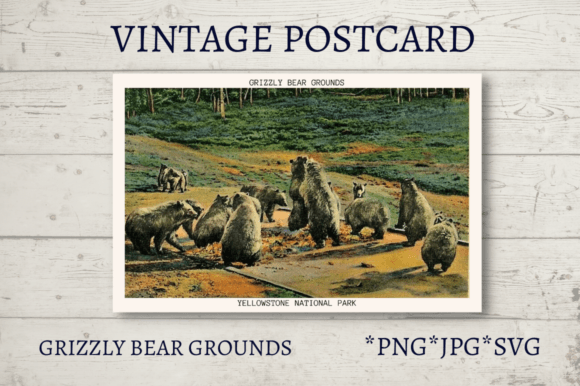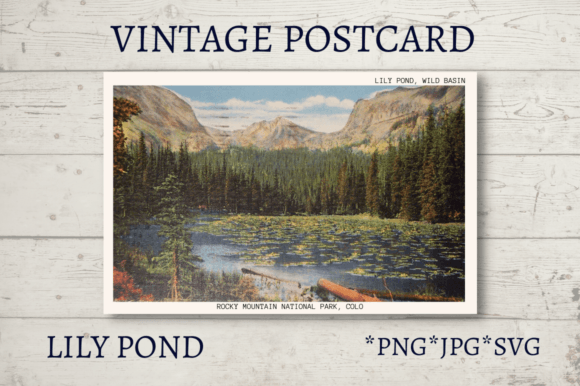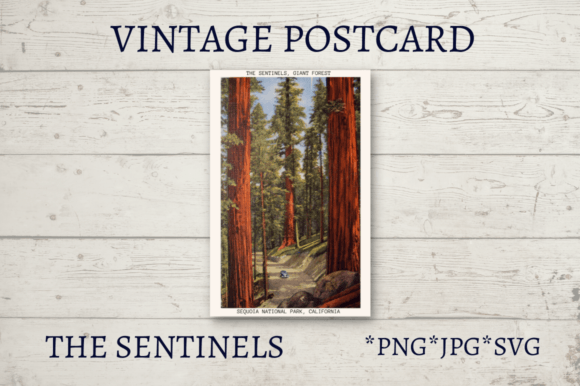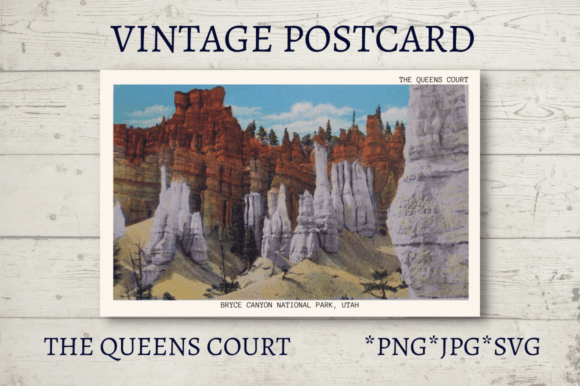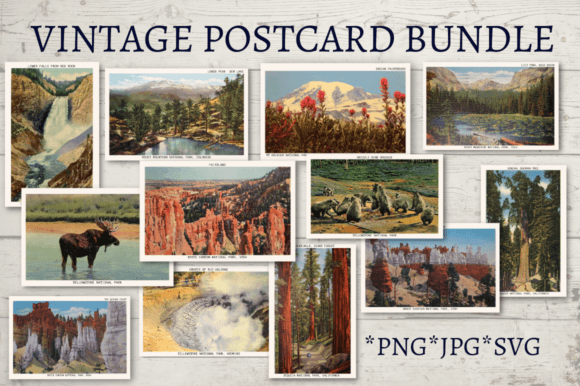
Vintage Postcard National Parks Volume 5 Review
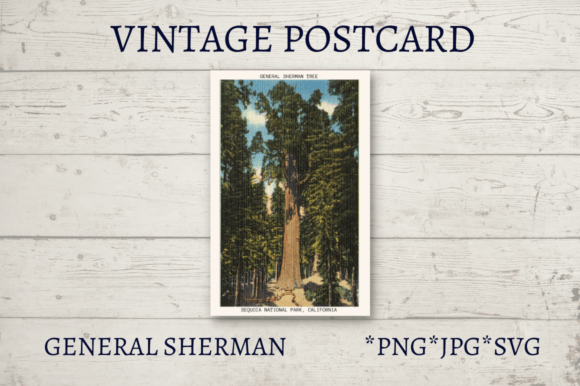
As a designer who spends half my life staring at stitch density charts and the other half worrying about whether a customer’s cheap polyester blend will pucker under a heavy fill, I don’t just buy embroidery designs because they look pretty on a screen. I buy them because they translate well to thread. When I first laid eyes on Vintage Postcard National Parks Volume 5, specifically the General Sherman Sequoia National Park graphic, I didn’t just see an image; I saw a potential bestseller for a boutique shop or a meaningful personalized gift. But seeing it in high resolution is one thing; imagining how those pixels turn into thousands of stitches is another.
This review isn’t about listing technical specs that you can find in a metadata file. It’s about practical design judgment. I am evaluating this Illustrations and Graphics asset based on how it would perform in real-world scenarios: from custom apparel and tote bag designs to delicate baby embroidery projects. If you are an Etsy seller, a craft business owner, or a maker looking for reliable design assets, here is what you need to know before you load this into your machine.
The First Impression: Mood and Visual Personality
The immediate draw of Vintage Postcard National Parks Volume 5 is its nostalgic warmth. The General Sherman Sequoia graphic carries that distinct mid-century postcard aesthetic—muted tones, slightly faded edges, and a sense of grandeur that feels timeless rather than trendy. For an embroidery project, this mood is incredibly valuable. It suggests durability, heritage, and care. It doesn’t scream for attention like a neon graphic; instead, it invites the viewer to lean in closer.
Visually, the layout is clean. The subject matter—a majestic tree—is organic, which means it relies heavily on texture and flow rather than rigid geometric lines. This is crucial for us as designers because organic shapes often hide minor stitching imperfections better than sharp angles do. The detail level is high enough to be interesting but not so chaotic that it becomes muddy when reduced in size. It has a visual personality that fits perfectly with brands focused on outdoor living, national park tourism, rustic home decor, or heritage-inspired fashion.
Real-World Application: Where This Design Shines
I have been thinking through where this design would actually sell. The versatility of this machine embroidery design is its strongest selling point. Here is how I see it performing in specific product categories:
- Tote Bag Designs: A canvas tote embroidered with the General Sherman tree creates an instant statement piece. The vintage vibe pairs beautifully with natural fabrics like cotton duck or linen blends. It works as both a functional grocery bag and a stylish accessory for a weekend hike.
- Sweatshirt Embroidery: Imagine this placed over the heart of a heather grey crewneck or centered on the back of a heavyweight hoodie. The retro graphic adds a layer of sophistication that plain text logos often lack. It appeals to the "quiet luxury" trend while remaining approachable.
- Baby Embroidery: While the tree is large, the style is gentle. On a white onesie or a muslin swaddle blanket, it takes on a softer, more whimsical quality. It serves as a beautiful keepsake, capturing the idea of growth and nature.
- Embroidered Patches: Because the image is self-contained, it translates exceptionally well as a sew-on or iron-on patch. These are huge sellers for craft fairs and online marketplaces. You can place these on denim jackets, beanies, or backpacks.
- Holiday Embroidery: Don’t overlook the gifting angle. This makes for a sophisticated housewarming gift or a unique holiday present for someone who loves the outdoors. It feels personal and curated, which elevates the perceived value of your handmade product.
For digital product sellers, this digital embroidery file (once converted) can also be used in printable mockups. The high-resolution source allows you to create realistic previews that show customers exactly how the finished product will look, reducing return rates and building trust.
Technical Considerations and Potential Pitfalls
No design is perfect, and transparency is key to good reviews. While Vintage Postcard National Parks Volume 5 is visually stunning, there are specific situations where you need to exercise caution. Embroidery is a subtractive process in terms of surface area—you are covering the fabric with thread—and certain combinations can lead to frustration.
Small Hoop Sizes: If you attempt to digitize this into a very small hoop size (under 3 inches), you risk losing the character of the tree. The fine details in the branches may merge together, creating a dark blob rather than a recognizable sequoia. Always check the hoop size limitations before committing to a tiny placement.
Fabric Texture and Stability: This design likely requires a good amount of coverage. On textured fabrics like bouclé wool or thick terry cloth, the needle penetration might be inconsistent, leading to skipped stitches. Similarly, on thin or stretchy fabrics without proper support, the tension could distort the shape. You must use the correct stabilizer—likely a cut-away for stability—to ensure the design holds its shape after washing.
Thread Colors and Contrast: The vintage aesthetic relies on subtle color shifts. If you choose low-contrast thread colors against a similarly colored fabric, the design will disappear. Test your thread colors carefully. A black background might require a gold or cream thread to pop, whereas a white background needs darker, richer tones to maintain visibility.
Dense Stitch Areas: Be mindful of areas where the design calls for dense fill stitches. If the stitch density is too high for the fabric weight, you will get puckering. This is especially true for custom apparel made from lightweight knits. Always test on scrap fabric first to adjust the density if necessary.
Designer’s Checklist Before Production
Before you start producing inventory for your Etsy seller shop or your own wardrobe, run through this practical checklist:
- Test on Scrap Fabric: Never go straight to the final product. Stitch the design on a scrap of the exact same fabric type to check for puckering, tension issues, and color accuracy.
- Inspect Small Details: Zoom in on the digitized version. Are the tiny branches distinguishable? Do the satin stitches around the edges lay flat, or do they gap?
- Black and White Mockup: Convert the design to grayscale to check contrast. If it looks muddy in black and white, it will likely look muddy in color on fabric.
- Confirm Licensing: As a professional, you must protect your business. Check the license terms for Vintage Postcard National Parks Volume 5. Does it allow commercial use for finished goods? Can you sell unlimited quantities? Ensure you have the rights to sell the finished product.
- Stabilizer Selection: Choose a stabilizer that matches the drape and weight of your fabric. A stiff stabilizer on a soft tee shirt will feel unnatural to the wearer.
Final Verdict: Is It Worth It?
For designers looking to add a touch of nostalgia and nature to their portfolio, Vintage Postcard National Parks Volume 5 is a strong contender. It offers a sophisticated aesthetic that resonates with modern consumers who value craftsmanship and storytelling. Whether you are creating a personalized gift for a client or stocking shelves with small shop products, this design provides a solid foundation for a high-quality embroidery project.
However, success depends on execution. The difference between a mediocre embroidered item and a premium one lies in the details: the choice of thread, the quality of the fabric, and the precision of the stitching. By understanding the strengths and limitations of this graphic, you can avoid common pitfalls and create items that customers love.
If you are ready to bring a piece of the outdoors into your studio, this design delivers the visual impact needed to stand out in a crowded market. Just remember to respect the fabric, test thoroughly, and let the vintage charm speak for itself. It is a versatile asset that, when handled with care, can elevate any craft business or creative endeavor.