Why Retro Merry Works for Real Embroidery Projects
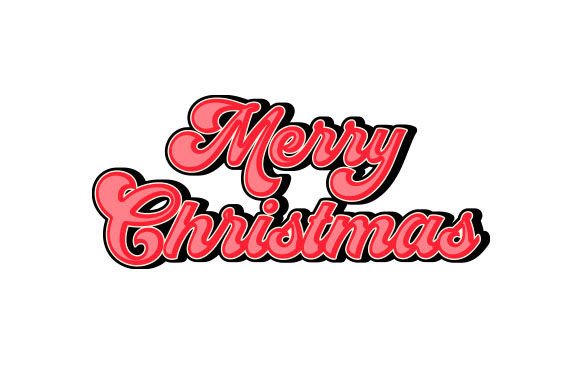
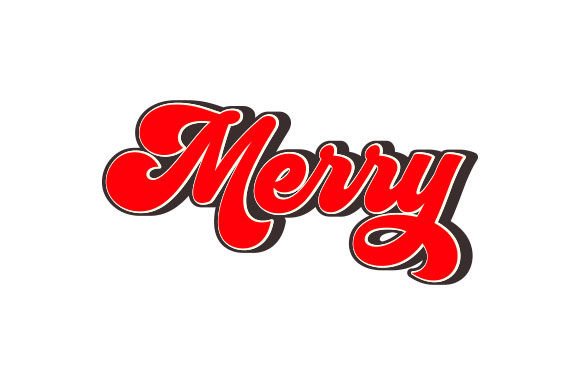
When I first opened the Retro Merry design file, I didn't just see a Christmas graphic; I saw a potential bestseller for my holiday collection. As someone who spends hours evaluating machine embroidery designs for client work and my own craft business, my initial reaction was one of genuine excitement. The aesthetic is warm, nostalgic, and perfectly balanced for modern handmade goods. It captures that cozy, vintage holiday spirit without feeling dated or cluttered.
The name itself sets the tone immediately. Unlike generic "Merry Christmas" fonts that often feel stiff or overly commercial, this design feels like it belongs in a boutique shop window or on a hand-stitched gift tag. It has a distinct visual personality that suggests quality and care, which are two things customers look for when buying personalized gifts. Whether you are an Etsy seller looking to boost your December sales or a hobbyist making gifts for family, Retro Merry offers a level of polish that elevates the perceived value of any finished product.
Real-World Application: From Digital File to Finished Product
Let's talk about how this actually performs when it leaves the screen and hits the fabric. I recently tested this design while preparing a batch of custom embroidered tote bags for a local holiday market. The goal was to create a simple yet striking accessory that shoppers could grab as a last-minute stocking stuffer. The Retro Merry layout worked beautifully on canvas fabric, providing a clean focal point that didn't get lost in the texture of the material.
The versatility of this embroidery file is its strongest asset. I found myself thinking about how well it would translate to other items in my inventory. Imagine this design stitched onto a chunky knit sweatshirt for a winter fashion line, or perhaps embroidered on a baby onesie where the soft curves of the retro style add a touch of tenderness. It also shines as a tote bag design or a decorative element on kitchen towels and aprons, bringing a festive cheer to the home during the holidays.
For those of you selling custom apparel or creating holiday embroidery projects, the clarity of the lettering is crucial. In my test run, the text remained legible even at a moderate size. This is important because nothing kills the vibe of a handmade product faster than muddled stitching or letters that blend into the background. The design seems to handle satin stitch areas with grace, ensuring that the edges stay crisp and professional.
Where to Be Cautious: Fabric and Hoop Considerations
While Retro Merry is a fantastic addition to any library of design assets, it is not a magic bullet for every single scenario. A professional designer knows that context matters immensely. If you are working with very small hoop sizes, you need to be mindful of the detail level. Tiny corners or intricate flourishes can sometimes get lost if the scale is too small, leading to a muddy appearance that lacks definition.
Fabric choice plays a huge role in the final outcome. On stretchy fabrics like jersey knits, the tension required for a dense fill stitch might cause puckering if you don't use the right stabilizer. Similarly, textured fabrics like heavy wool or boucle can hide the fine details of the design. For these materials, a larger hoop size and a heavier weight stabilizer are essential to ensure the stitch density sits flat and looks intentional rather than strained.
I also recommend avoiding this design on extremely thin fabrics unless you are layering it properly. Thin materials can tear under the pressure of the needle, especially if the design includes large solid blocks of color. Additionally, if you are planning to wash the item frequently, such as a kitchen towel or a child's clothing, ensure that the thread colors chosen have high contrast and durability. Dark fabrics require careful selection of thread colors to maintain the retro aesthetic without the design getting swallowed by the background.
Stitch Quality and Visual Appeal
The way Retro Merry stitches affects the overall brand consistency of your shop. When a customer receives a finished product that looks professionally executed, their trust in your craftsmanship increases immediately. This design supports that narrative. The curves and lines suggest a deliberate artistic choice rather than a rushed job. It helps create a cohesive look across different items, whether they are embroidered patches, pillow covers, or caps.
However, you must pay attention to the running stitch and applique design elements if you choose to incorporate them. Sometimes, transitions between different stitch types can be tricky depending on the machine settings. Testing the design on scrap fabric is non-negotiable. You need to verify that the thread colors you select complement the retro theme and that the hoop size accommodates the entire design without cutting off any critical parts.
Practical Notes for Designers and Makers
If you are serious about using this design for commercial purposes, there are a few technical steps you should take before hitting the "start" button on your machine. First, always check the licensing terms. Even though the file formats include SVG, Transparent PNG, EPS, and DXF, you must confirm whether you are allowed to sell finished items made from this design. Some digital products have restrictions on resale rights.
Before committing to a full production run, create a black and white mockup to see how the shapes hold up without the distraction of color. This helps you judge the composition and spacing. Also, inspect the small details closely. Are there any tiny isolated stitches that might break easily? Is the density appropriate for the fabric you plan to use? These questions separate a pro from a novice.
Finally, consider the presentation. When you photograph your small shop product for an online listing, the lighting will highlight the texture of the embroidery. Ensure that the embroidery project looks good in both natural light and artificial light. The retro style should pop against the background, inviting customers to imagine the warmth of the season wrapped up in your creation.
In conclusion, Retro Merry is more than just a seasonal graphic; it is a tool that can help elevate your embroidery project game. It strikes a balance between nostalgia and modern appeal, making it suitable for a wide range of Christmas crafts. By understanding its strengths and respecting its limitations regarding fabric and hoop size, you can produce items that customers love and remember long after the holidays are over.